
Building in Pacific Palisades in 2026
Permitting in the Palisades runs differently than anywhere else in Los Angeles right now. Here is what the current rules actually say, with links to the City's own sources.
Last verified against City of Los Angeles sources: September 2026. The rules on this page continue to change as the rebuild moves forward; confirm current requirements for your parcel with LADBS or City Planning before relying on any figure below.
Shulmen Construction LA is a licensed general contractor (CSLB #1077837) serving Pacific Palisades and the wider Westside. This page is a reference resource for what building and permitting in the Palisades actually looks like right now, not a claim of completed projects here. It is written for anyone trying to understand the current rules, whether or not they end up working with us.
Debris removal is essentially complete
Nearly all fire-damaged properties in the City of Los Angeles portion of the Palisades have been cleared of debris and have received final sign-off, which is a required step before rebuilding can begin. Debris removal ran through two phases: hazardous material removal handled by the U.S. Environmental Protection Agency, followed by full debris removal handled by the U.S. Army Corps of Engineers. Most property owners are now past this stage.
Source: recovery.lacity.gov/debris-removal
What we do here
Shulmen Construction LA provides new construction, whole-home renovation, kitchen and bathroom remodeling, ADU construction, room additions, structural and water damage reconstruction, hardscaping and pool construction, and design, engineering and permitting services. For a Palisades rebuild, that generally means working alongside a homeowner's architect and structural engineer to manage permitting, coordinate the fire-hardening requirements described below, and carry the project through construction and final inspection.
EO1: Like-for-like, plus 10%
If a new structure sits in substantially the same location as the one it replaces, does not exceed 110% of the previous footprint and height, keeps the same use without adding primary dwelling units, and obtains its building permit by January 13, 2032, it qualifies as an Eligible Project under Emergency Executive Order 1. Eligible Projects are waived from CEQA review, Specific Plan review, and California Coastal Act requirements. A home that did not meet current zoning, for example a house with non-conforming setbacks, can be rebuilt as it was rather than brought into conformance with today's code.
The 110% figure applies to footprint and height, not to square footage. That distinction matters in practice: a new or enlarged basement qualifies, as long as the basement itself does not exceed 110% of the previous building footprint.
Source: EO1 Implementation Guidelines, planning.lacity.gov
EO8: Zoning-compliant, inside the Coastal Zone
For single-family homes in the Coastal Zone that comply with current zoning, Emergency Executive Order 8 provides a second rebuild pathway. A project under EO8 is exempt from Coastal review even if the new house exceeds 110% of what was there before, as long as it meets current zoning and the order's other conditions: it replaces the same number of units (plus a new ADU, if there is one), involves no lot consolidation, subdivision, or lot line adjustment, stays at least 25 feet from a coastal bluff and 10 feet from a canyon bluff, does not significantly affect biological resources, and obtains its building permit within seven years of the order.
EO8 is narrower than EO1 in one respect: only single-family homes in the Coastal Zone qualify. Condominiums, townhomes, and multifamily properties use EO1 instead.
Sources: Emergency Executive Order 8; EO8 Implementation Guidelines, planning.lacity.gov
What EO9 does
Emergency Executive Order 9 suspends SB 9 in the Palisades Fire area. Lot splits and two-unit developments permitted under SB 9 elsewhere in California are not allowed within the Very High Fire Hazard Severity Zone in the Palisades. A homeowner planning a rebuild should not assume an SB 9 lot split is available here even if it would be available on a similar lot outside the fire area.
Source: Emergency Executive Order 9
Review times
All reconstruction on fire-damaged sites receives expedited initial permit review. City departments are required to complete this initial review within 30 days under EO1.
Once a permit is issued, work must be completed within three years of issuance. That period can be extended by a later executive order or a City Council resolution, but a homeowner should not plan a schedule around an extension that has not yet been granted.
If an ADU is built before the main house, the main house permit must be obtained within seven years of the applicable executive order's effective date.
Source: recovery.lacity.gov/rebuilding
Fees
Under Ordinance 188985, in effect since July 16, 2026, the City waives plan check, permit, and clearance fees for repairing or rebuilding a structure damaged or destroyed in the January 2025 fires. The waiver covers fees up to the amount for a rebuild of 110% of the damaged structure's area; fees for anything above that are charged in full. It applies only to the owner of record on January 7, 2025, so a buyer who purchased the lot after the fire pays standard City fees.
If the property is sold before the certificate of occupancy is issued, the seller has to repay the waived fees, except for condominiums and townhomes. The waiver runs for three years from July 16, 2026, applies retroactively to fees already paid, and is capped at $90 million citywide. Some City pages still describe these fees as suspended under Emergency Executive Order 7; the ordinance is the current rule.
Source: City of Los Angeles Ordinance 188985
Self-certification
Under Emergency Executive Order 6, a California-licensed architect or civil engineer enrolled in the LADBS Self-Certification Pilot Program can certify that a project complies with the Residential Code, the Energy Code, and the City's zoning requirements. The program covers single-family rebuilds of up to three stories that qualify as like-for-like Eligible Projects under EO1. LADBS does not review the plans unless the project is selected for audit, and it audits at least 10% of the program's projects. Clearances from other City departments still apply, including City Planning, the Fire Department, LADWP, the Bureau of Engineering, and the Bureau of Sanitation.
Properties in geologically sensitive areas do not qualify for self-certification.
Source: LADBS Self-Certification Pilot Program and its Implementation Guidelines (revised March 2026), dbs.lacity.gov
What a Palisades house has to be built from
Pacific Palisades has been a designated Very High Fire Hazard Severity Zone since 1999. That designation triggers California's wildfire construction standards for any new building on the site, regardless of which rebuild pathway the project uses.
These standards used to sit in Chapter 7A of the California Building Code. In the 2025 code cycle they moved to Part 7, the California Wildland-Urban Interface Code, which took effect on January 1, 2026, so the section numbers have changed.
The main requirements for the outside of the house include:
- Roof: Class A rated, with valleys, eaves, and roof-to-wall intersections closed so embers cannot collect.
- Exterior walls: noncombustible or ignition-resistant materials.
- Eaves and soffits: enclosed eaves built with noncombustible or ignition-resistant materials or another approved assembly; open eaves are allowed if the underside of the roof deck is protected.
- Vents: listed by the State Fire Marshal as flame and ember resistant, or tested to ASTM E2886. Ridge and off-ridge vents on a sloped roof may instead use noncombustible, corrosion-resistant mesh with openings between 1/16 and 1/8 inch.
- Decks: fire-tested materials.
- Windows: multi-pane, with at least one tempered pane, or another approved option such as fire-rated glazing.
- Doors: noncombustible, solid-core wood at least 1 3/4 inches thick, a solid-core wood panel door with stiles and rails at least 1 3/8 inches thick, or a door with a 20-minute fire protection rating.
The state is also adopting rules for the 5 feet immediately around a building, known as Zone 0, which limit combustible materials such as mulch, wood fencing, and stored firewood. The Board of Forestry adopted them in August 2026, but they are not yet in effect: they are still in final review at the state Office of Administrative Law. Confirm their status before finalizing landscaping and hardscape next to the house.
Sources: California Wildland-Urban Interface Code (up.codes); Office of the State Fire Marshal, Fire Hazard Severity Zones; recovery.lacity.gov/faq (1999 designation); Board of Forestry, Defensible Space Zones
Foundations usually cannot be reused
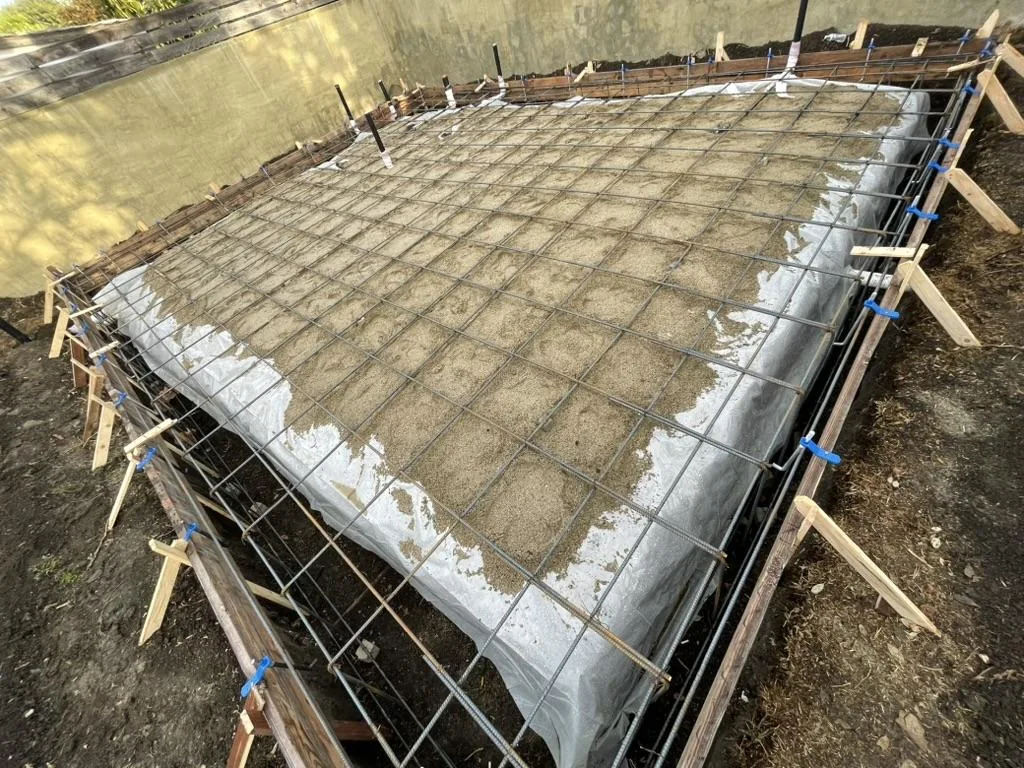
Fire alters the physical properties of concrete and masonry. Existing footings and slabs in fire-damaged buildings are not typically permitted to be reused for a new structure. If a foundation is still in place, LADBS approval is required before it can support new construction, and the building official may require its removal instead.
Shulmen does not perform this assessment itself. If a foundation's condition is in question, the homeowner hires an independent structural engineer to evaluate it.
Source: recovery.lacity.gov/faq
Hillside lots
Grading is the main practical difference between hillside and flatland permitting in the Palisades. Properties in geologically sensitive areas need geology and soils reports submitted to the LADBS Grading Section, and a registered civil engineer must stamp the grading plans.
Sources: LADBS, Palisades geohazard risk assessment zones map; recovery.lacity.gov/faq
If your lot is on a bluff
ZIMAS, the City's parcel lookup tool, flags parcels with Coastal Bluff Potential, Canyon Bluff Potential, or Biological Resources Potential. Any "Yes" or "Medium/High" flag triggers additional review, even for a project that otherwise qualifies under EO8.
Bluff setbacks are 25 feet from a coastal bluff edge and 10 feet from a canyon bluff edge. A parcel flagged for either should have that setback confirmed with the City before design proceeds. Questions on a flagged parcel can go to Planning.PalisadesRebuild@lacity.org.
Source: recovery.lacity.gov/faq
Fire hydrants
Properties must be within 300 feet of a fire hydrant, measured along the path a fire engine would actually take to reach it, not a straight line. If a property is not within that distance, the Fire Department can in many cases accept an alternative to a new hydrant, such as an upgraded fire sprinkler system or a different type of construction. This is a real issue that can hold up a permit, and it is worth checking early rather than after a design is finished.
Source: recovery.lacity.gov/faq
Building code
New buildings must meet the current code, which since January 1, 2026 is based on the 2025 California Building Code as amended by the City, unless the project is using a plan approved under the 2019 code or a later version. Confirm with LADBS which edition applies to your application. If the code changes partway through a rebuild, the structure does not have to meet the newer version unless the existing permit expires first.
Sources: recovery.lacity.gov/faq; California Building Standards Commission, 2025 code changes
HOA approval runs alongside City permits
Many Palisades neighborhoods have homeowners associations that require architectural approval separate from LADBS review. The City has not adopted design standards for rebuilt single-family homes, but HOA requirements apply in addition to City rules. Check with the relevant HOA before finalizing a design; its approval is a separate process from City permitting.
Source: recovery.lacity.gov/faq
Utilities are being rebuilt
LADWP is undergrounding as much of the Palisades power system as is feasible, starting with a new 34.5kV backbone circuit on Sunset Boulevard. That circuit feeds an expanded Distribution Station 29 and a new 12kV mainline. LADWP lists this permanent rebuild as in progress and under development, so ask LADWP about the schedule for your street.
Sources: LADWP, Pacific Palisades Power Rebuilding; recovery.lacity.gov/faq
All-electric incentives
The citywide all-electric construction ordinance was repealed, so all-electric construction is no longer required. LADWP's HOME LA pilot program still offers financial incentives for residential and low-rise multifamily property owners who choose to build all-electric.
Sources: ladwp.com/construction-services/home-la; recovery.lacity.gov/faq (ordinance repeal)
ADUs can go first
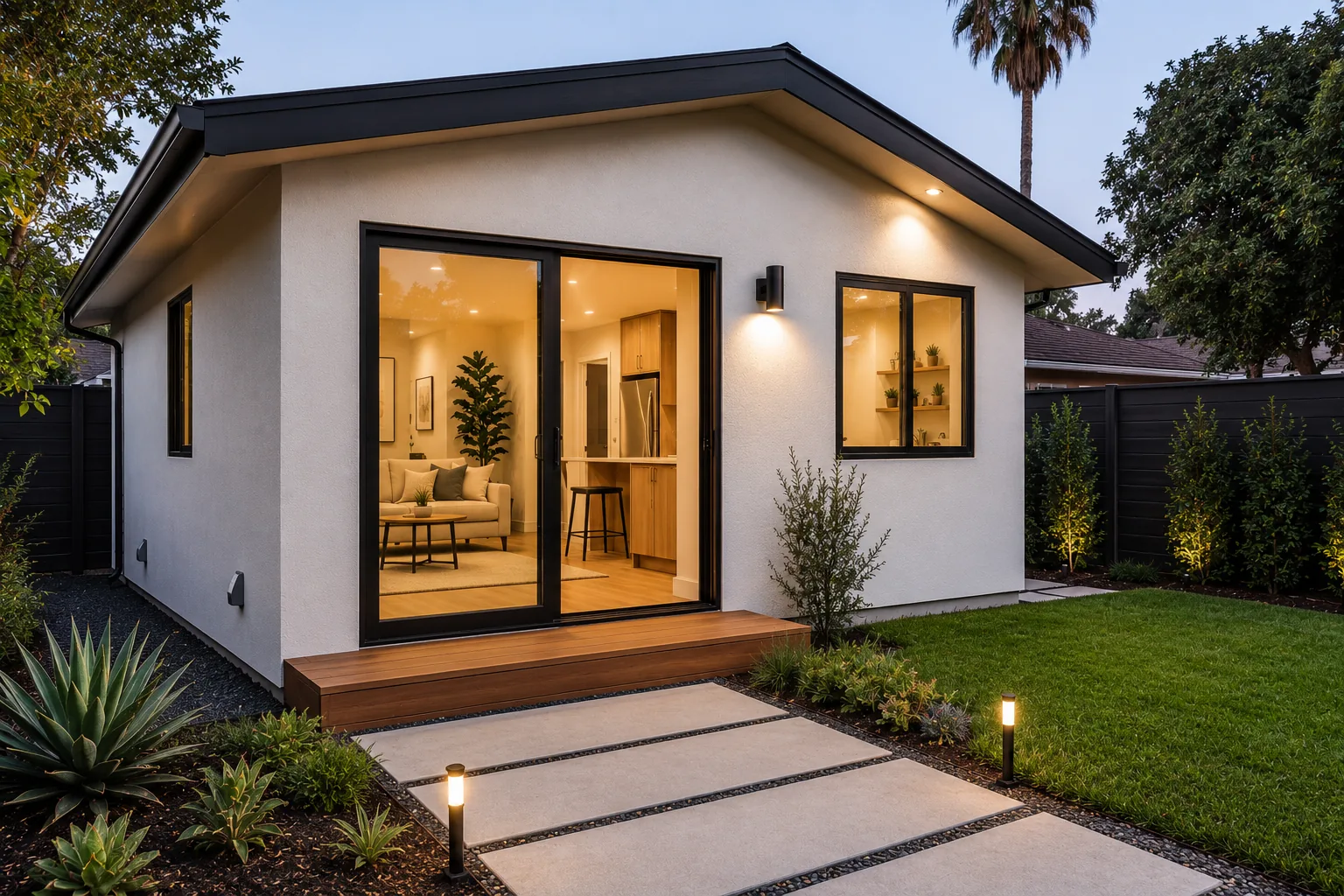
Under both EO1 and EO8, an accessory dwelling unit and the main house can be built in either order. A Certificate of Occupancy for the ADU can be issued before the main house is complete, which lets some homeowners live on their property sooner while the primary rebuild is still underway.
Coastal Development Permit review and Environmental Review are removed from the ADU process in the Coastal Zone, as long as the ADU is not within 10 feet of a canyon bluff or 25 feet of a coastal bluff.
New detached ADUs are not subject to the 110% footprint or height limits that apply to the main house under EO1.
Source: recovery.lacity.gov/faq
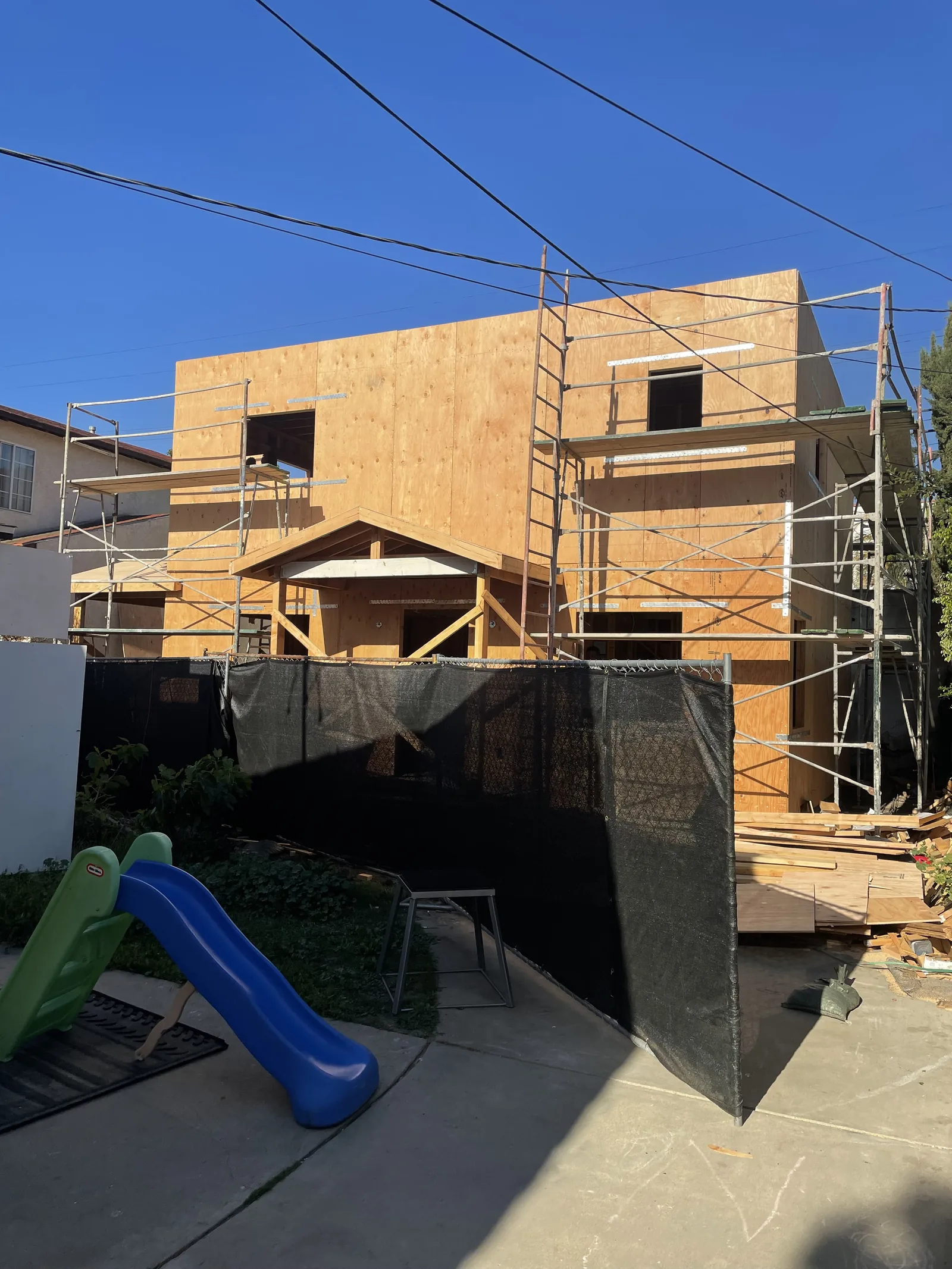
We have built ADUs under LADBS permits, including a ground-up two-story ADU in Beverlywood and a garage conversion elsewhere in Los Angeles.
Before you hire anyone, check these
Several free tools from the City and its partners are worth using before signing a contract with any contractor, including us.
E-Check is a free AI pre-plan check tool from Archistar, available for any Palisades address. It will not analyze soils conditions or structural calculations, but it catches zoning and code issues early, before money is spent on a design that will not be approved. start.archistar.ai/us/lacity
ZIMAS is the City's parcel lookup tool. Under its Additional tab, it shows Coastal Zone status, bluff potential, and biological resource potential for any address. zimas.lacity.org
Original plans for a lost home can be obtained from the City by Palisades residents. A government ID, a recorded deed, and a request form are required. Email records.ladbs@lacity.org.
The One-Stop Rebuilding Center, at 1828 Sawtelle Blvd in West LA, brings ten City departments into one location, open Monday through Friday, 9 to 5. The City also runs the Palisades Inspections and Permitting Support Center at 16925 Marquez Avenue in Pacific Palisades, open Monday through Friday, 9 to 5.
The LADBS Palisades Concierge can be reached at palisadespermitconcierge@lacity.org or 213-577-8441.
Sources: recovery.lacity.gov/faq; recovery.lacity.gov/rebuilding
Fifteen years in Los Angeles's most demanding neighborhoods
We have been building in Beverly Hills, Bel-Air, Hancock Park, and the Westside since 2011, under LADBS, City of Beverly Hills, and City of West Hollywood permitting.
- Beverlywood: a ground-up 1,200 square foot two-story ADU and a whole-home remodel, permitted on two separate tracks through LADBS. See the project
- Hollywood: structural balcony reconstruction built to an engineer's specification, including crane removal of the original staircase and railings, under an LADBS permit. See the project
- North Beverly Hills: a 10,000 square foot home where a leak was traced past the obvious suspect to failed stucco and flashing below a window, with the wall rebuilt from both sides to resolve it. See the project
Common questions
Can I rebuild bigger than what was there?
Yes, if the new house complies with current zoning. Under EO1, a rebuild is limited to 110% of the previous footprint and height. Outside the Coastal Zone and the Specific Plan area, a larger zoning-compliant house is filed directly with LADBS and receives the same expedited review. Inside the Coastal Zone, a zoning-compliant single-family house can use EO8; other projects there go through Coastal review.
Do I need a Coastal Development Permit?
Not if the project qualifies under EO1 or EO8. If it does not qualify under either, Coastal review applies, and the timeline depends on whether the parcel falls under single or dual permitting jurisdiction.
Can I live on the lot while rebuilding?
Yes. RVs, mobile homes, and manufactured homes are allowed on the lot for up to three years, or for as long as there is an active rebuild permit, whichever period is longer.
Are permit fees waived?
Partly, and only for the owner of record on January 7, 2025. Ordinance 188985 waives plan check, permit, and clearance fees up to the amount for a rebuild of 110% of the damaged structure's area, for three years from July 16, 2026. A buyer who purchased the lot afterward pays standard City fees, and a seller who sells before the certificate of occupancy is issued has to repay the waived fees, except for condominiums and townhomes.
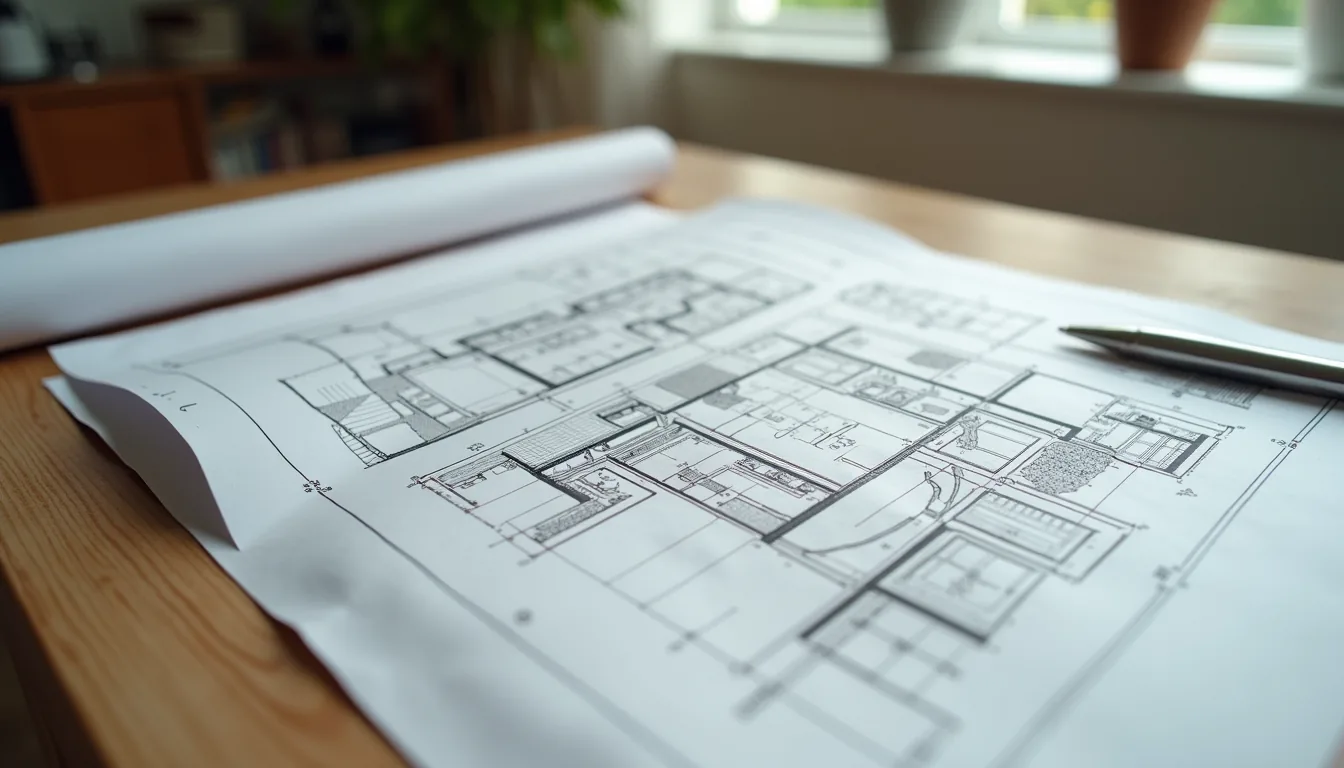 Where every project startsDesign, Engineering & PermittingArchitectural design, structural and MEP engineering, and permitting, coordinated as one scope with one point of contact.View Design, Engineering & Permitting →
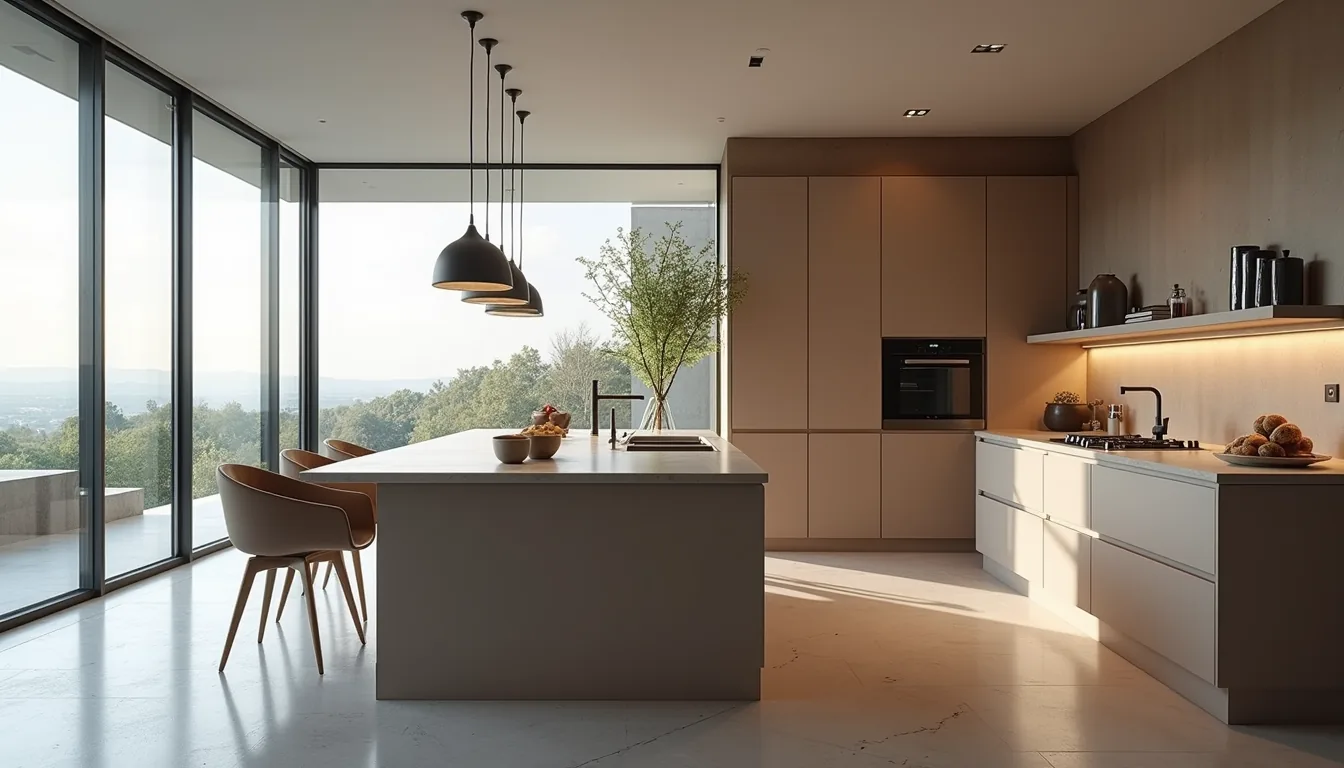 Kitchen Remodeling
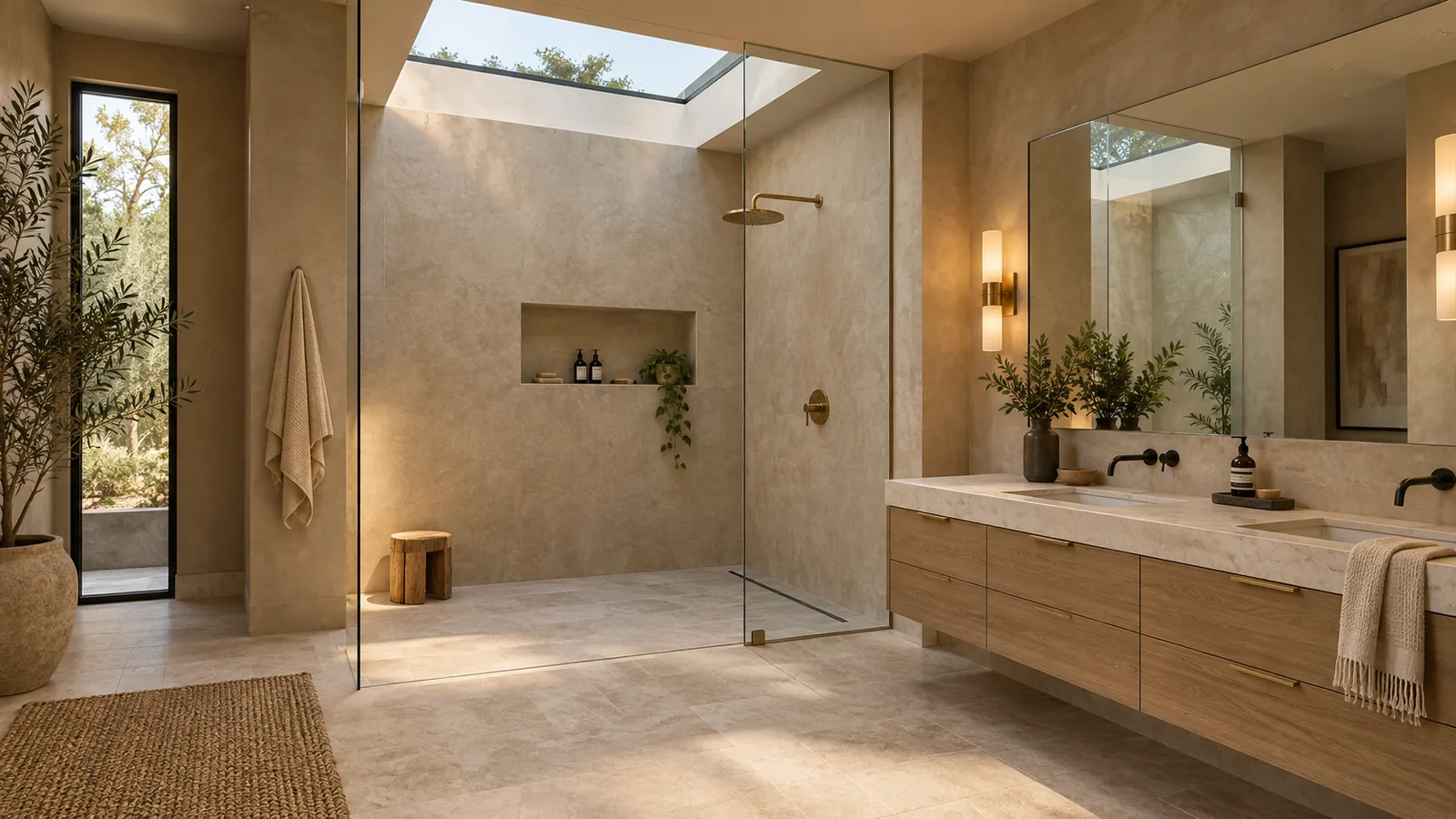 Bathroom Remodeling
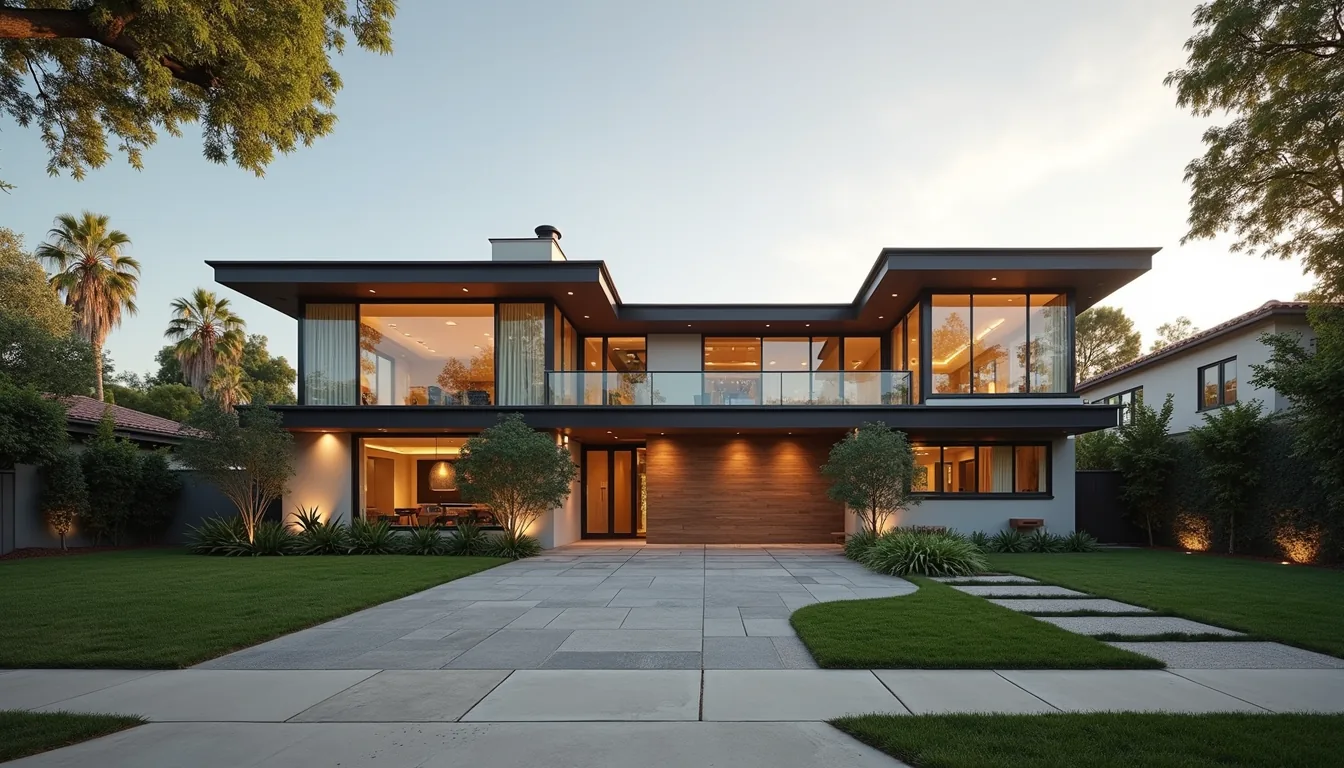 Whole-Home Remodeling
 Room Additions
 ADU Construction
 New Construction & Custom Homes
 Construction & Structural Repairs
 Water Damage Restoration & Reconstruction
Planning a rebuild in Pacific Palisades?
Call (310) 717-0432 or request a consultation. We will walk through which rebuild pathway applies to your parcel and what it means for your timeline.
Call (310) 717-0432