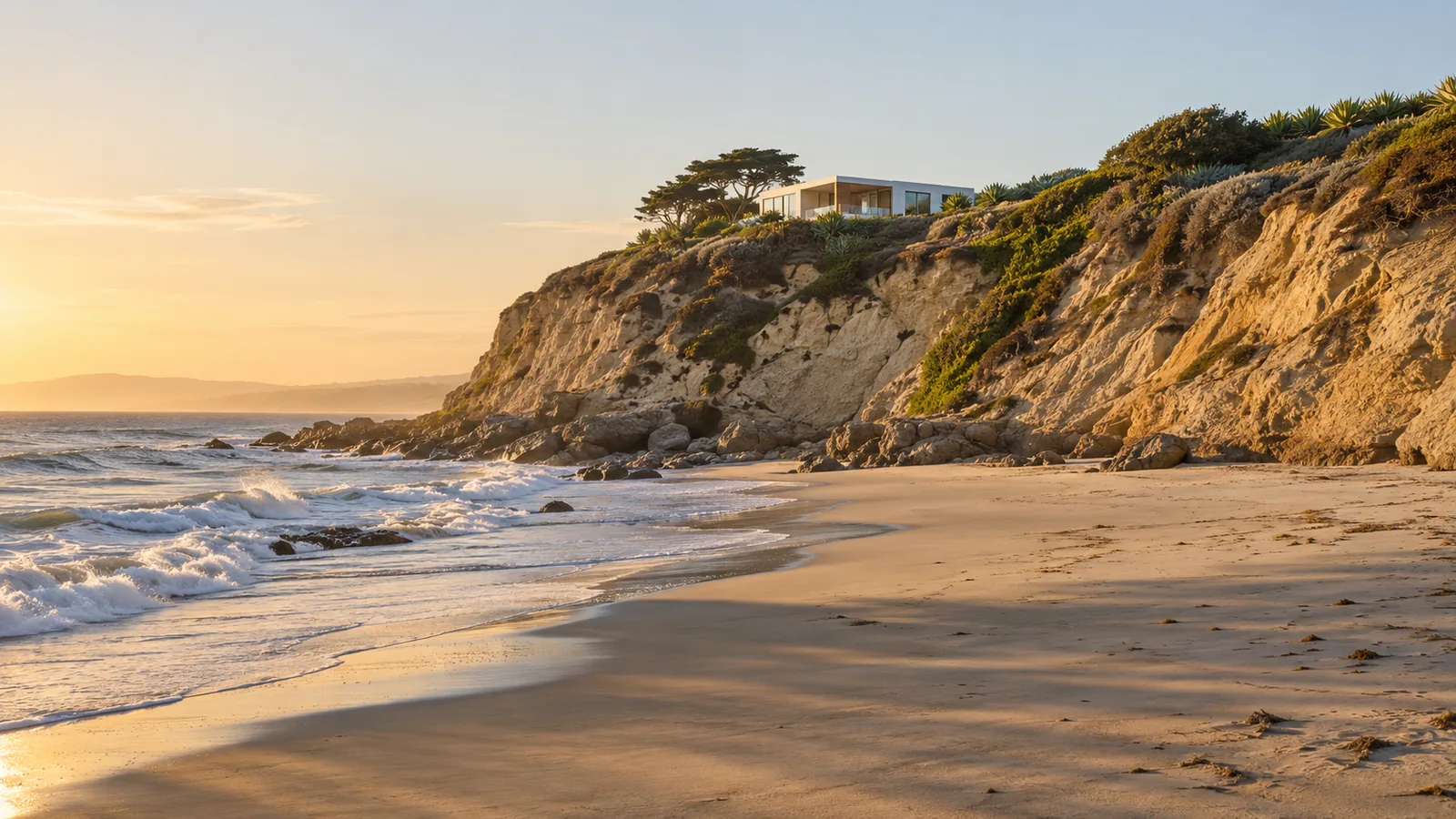
General Contractor in Malibu
Oceanfront and hillside homes across Malibu — built and rebuilt by a licensed team that manages City of Malibu permitting, Coastal Development Permit review, and Very High Fire Hazard Severity Zone construction requirements directly.
Malibu is its own incorporated city, separate from Los Angeles — building permits run through the City of Malibu's Community Development Department, not LADBS. The entire city also sits inside the California Coastal Zone, so most projects need a Coastal Development Permit in addition to a standard building permit, and much of Malibu's hillside terrain carries the state's highest wildfire-hazard designation. Shulmen Construction LA (CSLB #1077837) manages City permitting, coastal review, and fire-hazard construction requirements as one coordinated process — including rebuild work for homes damaged in recent Malibu wildfires — so the homeowner has a single licensed point of contact instead of a separate permit expediter for each agency.

Who actually issues the permit in Malibu
The City of Malibu's Community Development Department handles building review through two divisions: Building Safety and Permits (plan check, inspections, permit issuance) and Planning (Local Coastal Program implementation, zoning, and coastal permitting). Plans typically move through Building Safety first, then Planning stamps last. This is a genuinely separate permitting authority from LADBS, with its own online submittal portal, fee schedule, and review timeline.
Coastal Development Permits and the Local Coastal Program
Because the entire City of Malibu falls within the California Coastal Zone, most construction is reviewed against Malibu's Local Coastal Program (LCP) — the local land-use and zoning framework certified by the California Coastal Commission in 2002, which functions as an extension of the state Coastal Act. For the large majority of projects, the City itself — through its Planning Commission, and its Planning Director for smaller-scope work — holds delegated authority to review and issue the Coastal Development Permit (CDP), so a homeowner isn't filing two separate applications with two separate agencies for most jobs. Certain categories of shoreline-adjacent or otherwise sensitive development can still fall under direct Coastal Commission review or appeal even after LCP certification — a jurisdictional question Shulmen scopes into the project at the design stage rather than after plans are drawn.
Very High Fire Hazard Severity Zone construction requirements
The Malibu City Council has designated the entire city a Very High Fire Hazard Severity Zone, adopting Ordinance No. 527 in late 2025 based on the State Fire Marshal's updated 2025 hazard map. New construction and qualifying remodels are required to meet Chapter 7A of the California Building Code — ignition-resistant construction including fire-resistant roofing assemblies, ember-resistant vents, and hardened exterior materials — along with brush-clearance and defensible-space standards around the structure. A separate statewide "Zone Zero" ember-resistant perimeter rule for the 0–5 foot zone immediately around a structure has been approved at the state Board of Forestry level but was not yet a binding, dated requirement as of this writing — Shulmen tracks its effective date and builds toward it proactively rather than waiting for enforcement.
Rebuilding after a Malibu wildfire
Recent wildfires — the 2024 Franklin Fire, the 2024 Broad Fire, and the January 2025 Palisades Fire — damaged or destroyed a significant number of Malibu homes. The City of Malibu adopted a Disaster Rebuild Ordinance (No. 524, with an urgency version, 524U, in effect from March 2025) that streamlines rebuilding for qualifying fire-damaged properties, and the related Local Coastal Program amendment was certified by the California Coastal Commission in April 2025. Under the Governor's related executive order, a rebuild in substantially the same location, within 110% of the prior structure's footprint and height, can proceed without triggering a new CEQA or California Coastal Act permitting process — though local zoning and City approval still apply, and a 30-day permitting goal cited in that order is a target for local agencies, not a guarantee. Because these rules and processing timelines continue to evolve as the City works through the rebuild caseload, Shulmen confirms current requirements directly with Building Safety and Planning staff at the start of every rebuild project rather than relying on a fixed timeline.
Malibu's character, area by area
Malibu runs roughly 21 miles along the coast, and "Malibu" covers a genuinely wide range of site conditions within that stretch — beachfront, bluff-top, and canyon-hillside properties that share the same City permitting and Coastal Zone framework but very different practical circumstances. The Civic Center area, where Malibu's city offices, library, and Malibu Lagoon sit along Pacific Coast Highway, functions as the community's commercial and civic hub, and most of the city's other neighborhoods are commonly described relative to it.
Malibu Colony, a gated private beachfront community just west of the Civic Center, has been one of Malibu's best-known enclaves for decades — direct beach access behind its own security gate, on a comparatively tight footprint of beachfront lots. Point Dume, further west, sits on a bluff-top headland with larger parcels, ocean views, and several private, gated streets. Serra Retreat, in the hills directly above the Civic Center along Malibu Creek, is a guard-gated hillside community built on the site of a former Franciscan retreat, with roughly 100 home sites in a more rural, wooded setting set back from the coast.
The regulatory picture is the same everywhere in the city — City of Malibu permitting, Coastal Zone review, and VHFHSZ construction standards all apply citywide — but what that means on the ground changes by location. A Malibu Colony beachfront lot faces different Coastal Development Permit and material-durability questions than a Serra Retreat hillside lot set back in the canyon, even though both permits run through the same City departments.
How a Malibu project moves forward
Site & jurisdiction review
Confirming City of Malibu Building Safety requirements, whether a Coastal Development Permit applies and at what level of review, and the Chapter 7A fire-hardening requirements that apply to the parcel — before design begins.
Design & coastal/fire coordination
Design proceeds with Coastal Development Permit submission requirements and Chapter 7A ignition-resistant material choices built in from the start, rather than layered on after a design is finalized.
Permitting
City of Malibu Building Safety plan check runs alongside Coastal Development Permit review through Planning — at the Planning Director level for smaller-scope work, or the Planning Commission for larger projects.
Construction
Work proceeds sequenced around any CDP conditions and Chapter 7A material specifications, with fire-hardening details — roofing assembly, vents, exterior materials — carried through as specified, not substituted.
Final inspection & sign-off
City Building Safety final inspection confirms compliance with the building permit and any CDP or Chapter 7A conditions before the project closes out.
Decisions homeowners make on a Malibu project
- Timing design around Coastal Development Permit review. Because most CDPs are reviewed by the City rather than a separate agency, the practical question is how that review schedule lines up with the rest of the project timeline — worth planning around actual current City review capacity rather than a fixed assumption about how long it takes.
- How much of a fire-damaged home's footprint to rebuild versus redesign. The City's Disaster Rebuild Ordinance streamlines rebuilds that stay within roughly the prior footprint and height; expanding beyond that generally means accepting a more standard review process in exchange for the larger design.
- Where to invest in fire-hardening beyond the Chapter 7A minimum. Chapter 7A sets the baseline for roofing, vents, and exterior materials; some homeowners choose to go further on defensible-space clearance or additional hardening, a decision usually informed by the specific site's terrain and exposure.
- Bluff-top, beachfront, or canyon site strategy. A Point Dume bluff lot, a Malibu Colony beachfront lot, and a Serra Retreat canyon lot each carry different practical site constraints even under the same City and Coastal Zone rules — design and construction sequencing decisions differ accordingly.
Design considerations for a Malibu coastal or hillside property
Coastal Zone review shapes design decisions well beyond the permit application itself — view corridors from public areas, height relative to neighboring structures, and consistency with the surrounding streetscape are all part of what the City's Planning review looks at under the Local Coastal Program. On a beachfront lot, material selection has to account for sustained salt-air exposure in addition to Chapter 7A's fire-hardening requirements, a different durability conversation than a hillside canyon property faces. On a hillside or canyon site, by contrast, ignition-resistant materials, defensible-space clearance, and drainage and grading get worked into the design from the earliest plans, the same way they would on any Very High Fire Hazard Severity Zone property. Because these standards can differ in emphasis by site and continue to evolve, the honest starting point on any Malibu design is confirming current City and Coastal Program requirements for that specific parcel rather than assuming what applied on a past project still applies today.
What drives cost on a Malibu project
- Coastal Development Permit scope. A project requiring full CDP review through the Planning Commission, rather than a more limited administrative track, adds design, documentation, and review-timeline cost on top of a standard building permit.
- Chapter 7A fire-hardening materials. Ignition-resistant roofing assemblies, ember-resistant vents, and hardened exterior materials required citywide in Malibu's VHFHSZ typically cost more than standard-zone equivalents, and they aren't optional substitutions.
- Site access and terrain. Beachfront lots, bluff-top parcels, and hillside canyon sites each bring different access, staging, and grading considerations that affect cost in ways a flatland Westside project doesn't face.
- Rebuild footprint decisions. A fire rebuild that stays within the prior footprint and height can move through a faster City review track; expanding beyond that generally means a more standard review timeline and scope, which affects both cost and schedule.
Real challenges on a Malibu project
Coordinating Coastal Development Permit timing with the rest of the project. Even though the City holds delegated authority for most CDPs, the review still runs on its own timeline and, on some projects, comes with its own conditions — sequencing that review correctly relative to Building Safety plan check and construction scheduling takes real coordination, not just a permit application.
Fire-hardening material choices that also satisfy coastal design review. Chapter 7A requires ignition-resistant roofing, vents, and exterior materials; the Local Coastal Program's design review separately weighs a structure's visual compatibility with its coastal or hillside setting. Choosing materials that satisfy both isn't automatic — it's a real design conversation, not a checkbox exercise.
Rebuild-specific uncertainty after a wildfire. The City's rebuild ordinances and related Coastal Program amendments have continued to evolve as Malibu works through its post-fire caseload, which is why a rebuild project benefits from confirming current requirements directly with City staff at the outset rather than relying on what applied to an earlier project.
Site-specific terrain and access. Whether it's a beachfront lot with tide and salt-air exposure, a Point Dume bluff-top site, or a Serra Retreat canyon lot, Malibu's site conditions vary enough that a generic construction plan rarely transfers cleanly from one property to another.
Malibu FAQ
Does the City of Malibu use LADBS for permitting?
No. Malibu is its own incorporated city, so building permits are reviewed by the City of Malibu's Community Development Department — its Building Safety Division and Planning Division — rather than LADBS. Shulmen Construction LA (CSLB #1077837) submits and manages plan check directly with the City.
Does a Malibu project need a Coastal Development Permit?
In most cases, yes. The entire City of Malibu sits within the California Coastal Zone, and Malibu's Local Coastal Program (certified by the California Coastal Commission in 2002) gives the City itself — through its Planning Commission and, for some scopes, its Planning Director — delegated authority to review and issue Coastal Development Permits for most projects. Certain categories of shoreline-adjacent work can still fall under direct Coastal Commission review or appeal, so Shulmen scopes that question early, before design is finalized.
What does the Very High Fire Hazard Severity Zone designation mean for construction in Malibu?
The Malibu City Council has designated the entire city a Very High Fire Hazard Severity Zone. New construction and qualifying remodels must meet Chapter 7A of the California Building Code's ignition-resistant standards — fire-resistant roofing assemblies, ember-resistant vents, and hardened exterior materials — along with brush clearance and defensible-space requirements around the structure. Shulmen builds these standards into design and material selection from the first plan set.
Can Shulmen help rebuild a home damaged in a Malibu wildfire?
Yes. The City of Malibu adopted a Disaster Rebuild Ordinance to streamline permitting for homes damaged or destroyed in the Franklin, Palisades, and Broad fires, allowing rebuilds within 110% of the prior footprint and height to proceed under a faster review track. Program specifics continue to evolve, so Shulmen confirms current City requirements directly with Building Safety and Planning staff at the start of every rebuild project.
Is Point Dume or Malibu Colony subject to different rules than the rest of the city?
No. The same City of Malibu permitting, Coastal Zone, and Very High Fire Hazard Severity Zone requirements apply citywide, including in Point Dume, Malibu Colony, and Serra Retreat. What differs by neighborhood is the practical site condition — beachfront, bluff-top, or hillside canyon — not the underlying regulatory framework.
Does a kitchen or bathroom remodel in Malibu need a Coastal Development Permit?
Interior work that doesn't change a structure's exterior, footprint, or grading typically has a lighter coastal review path than new construction or an addition, but Malibu's Local Coastal Program applies citywide. Shulmen confirms the applicable review category with City Planning before design is finalized rather than assuming interior work is automatically exempt.
We don't yet have a published case study from a Malibu project to link here — request a consultation and we're glad to walk through recent coastal and rebuild work directly.
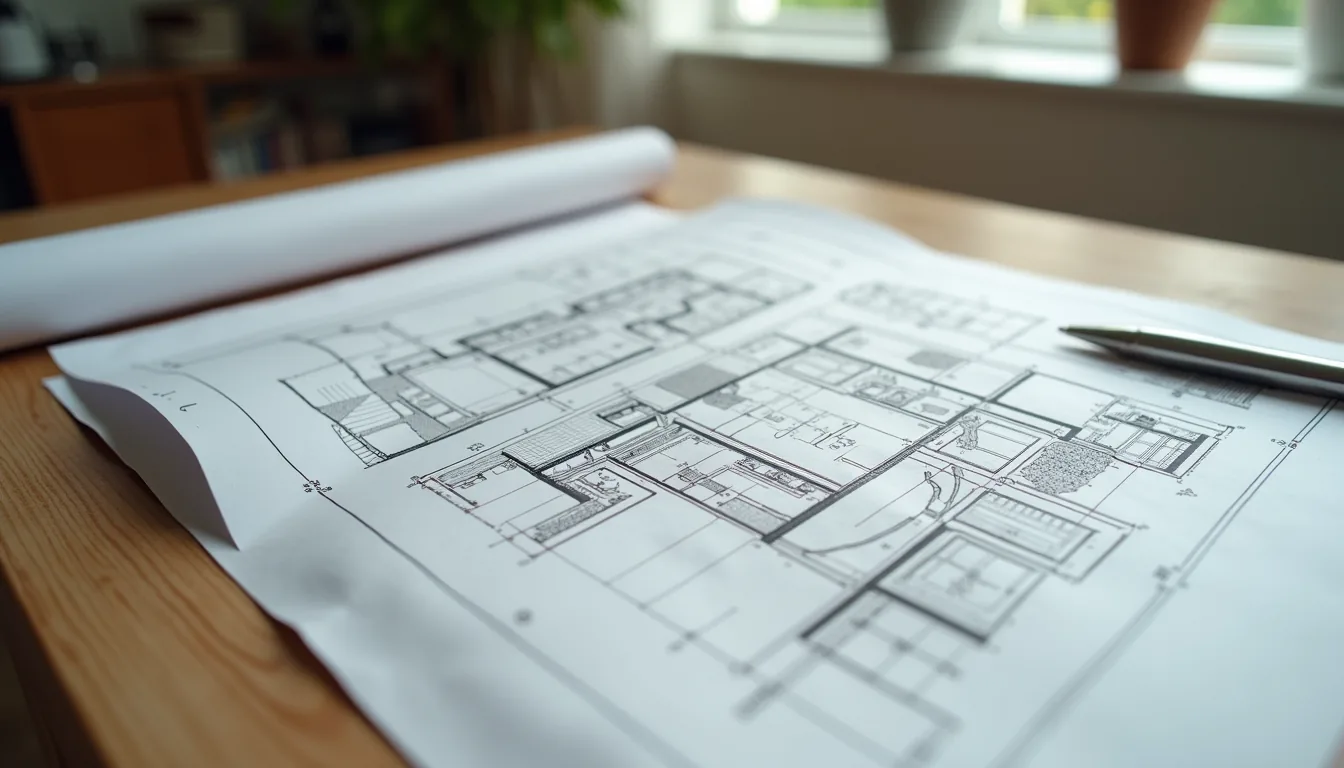 Where every project startsDesign, Engineering & PermittingArchitectural design, structural and MEP engineering, and permitting, coordinated as one scope with one point of contact.View Design, Engineering & Permitting →
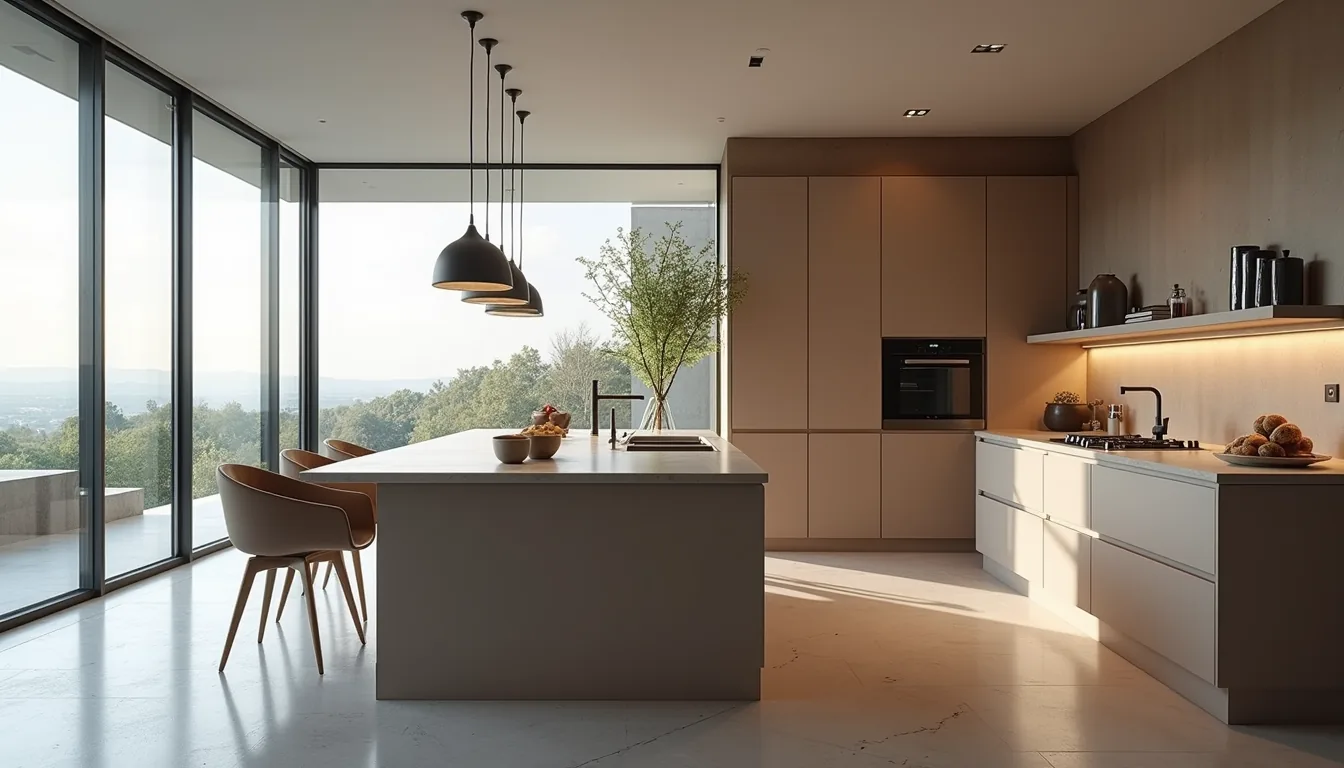 Kitchen Remodeling
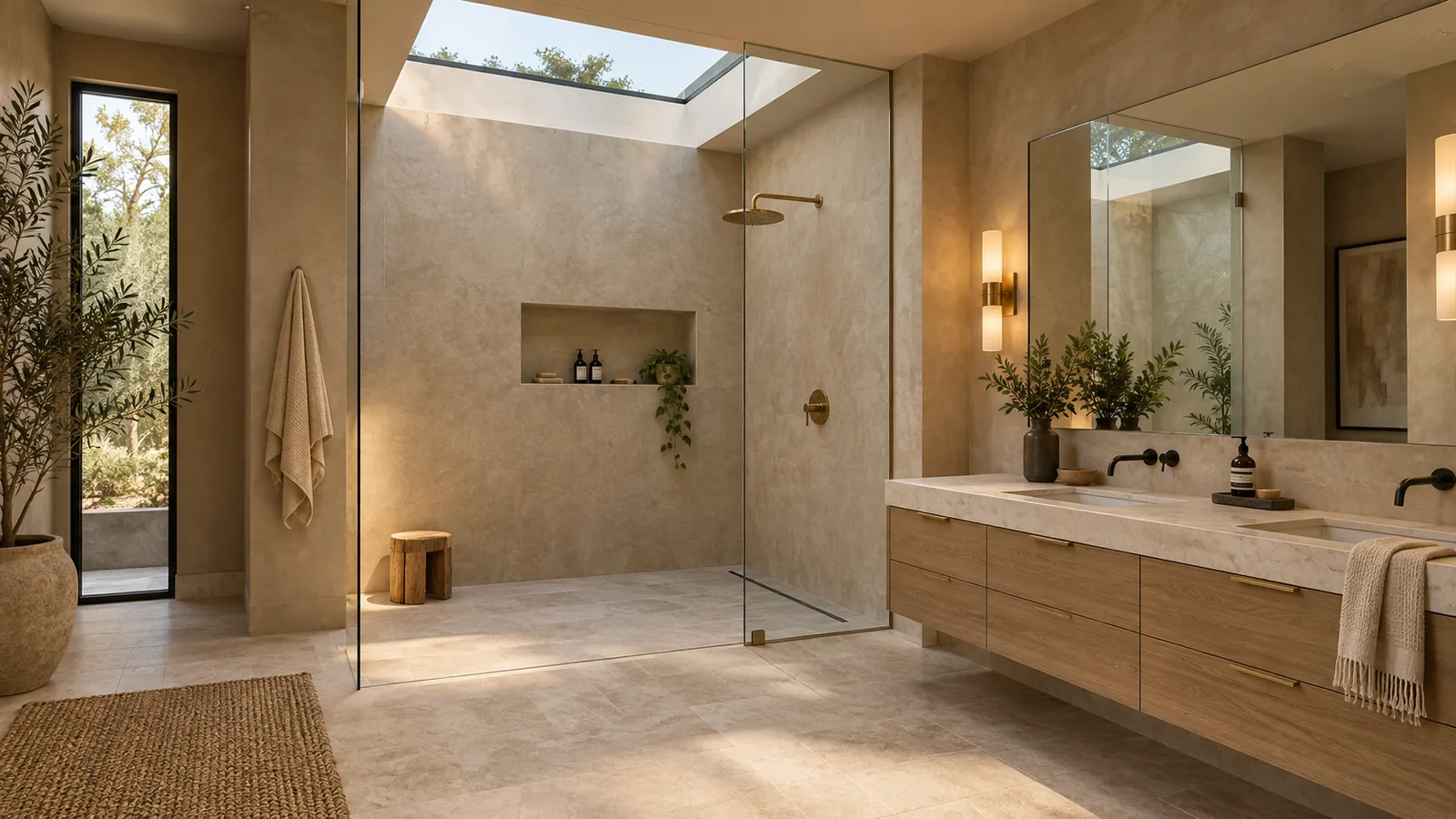 Bathroom Remodeling
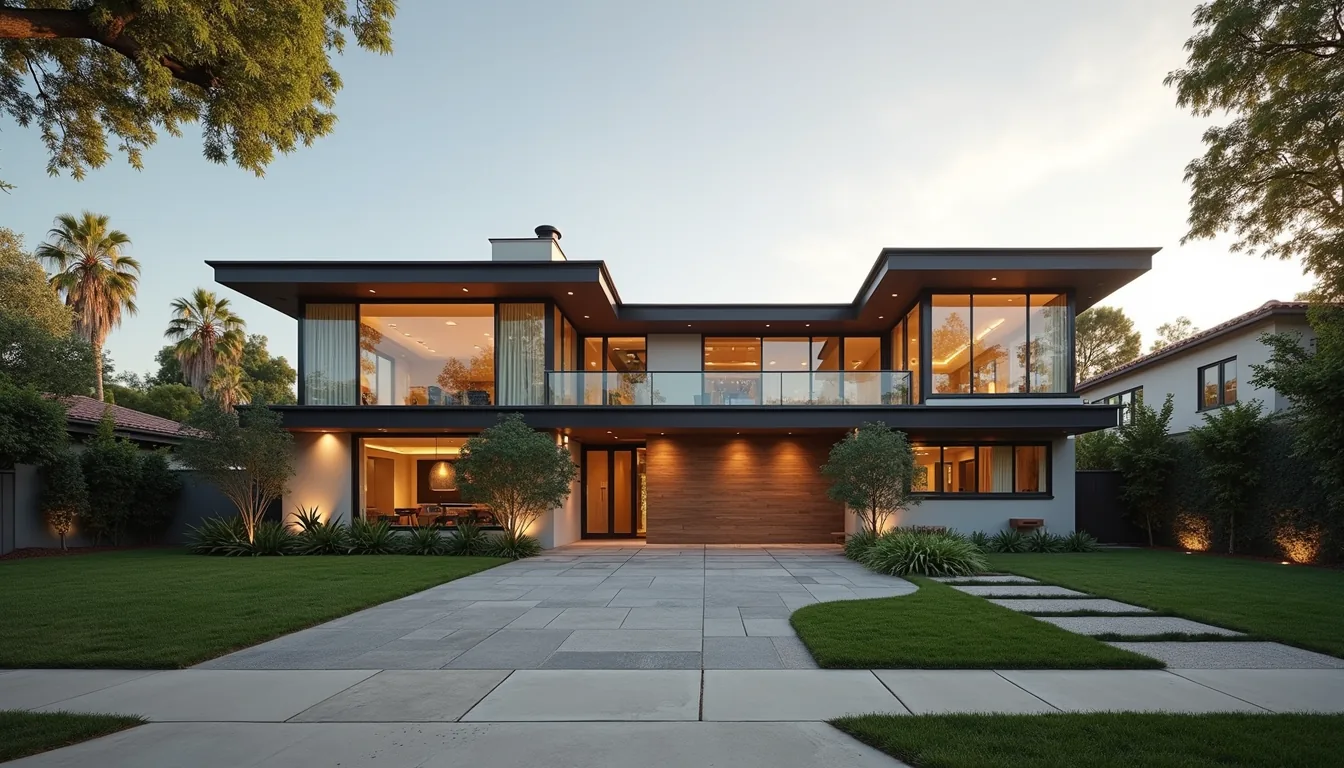 Whole-Home Remodeling
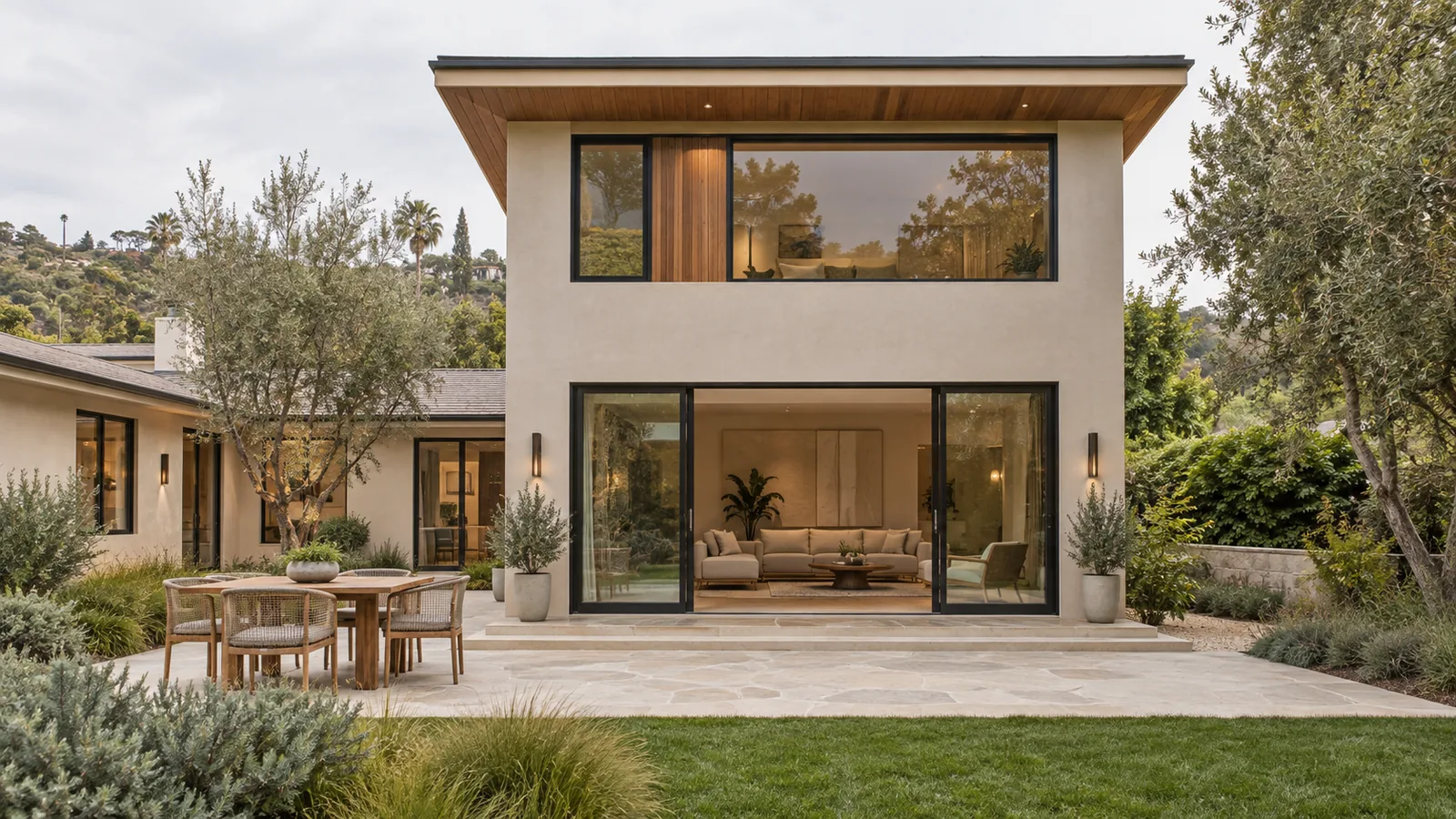 Room Additions
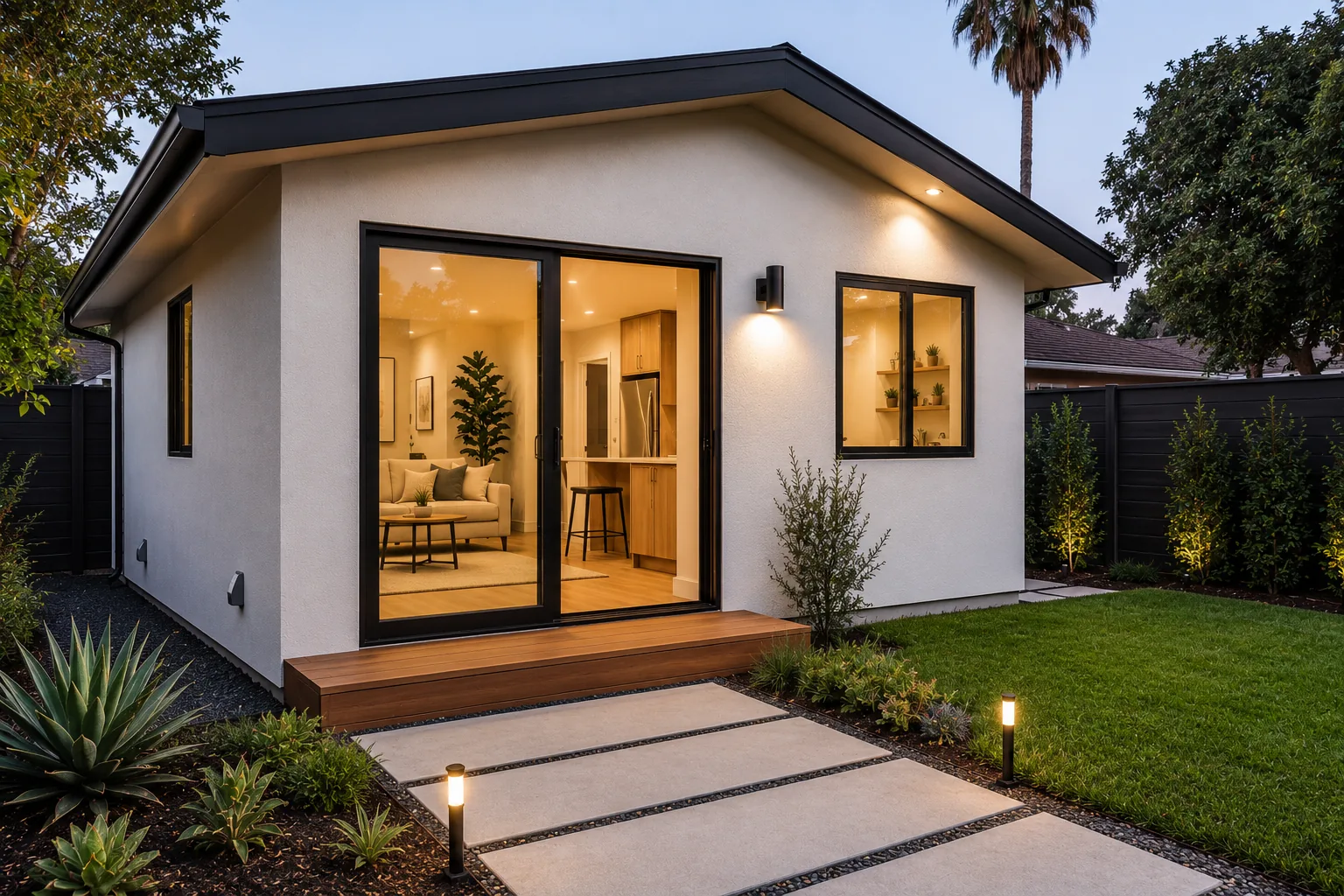 ADU Construction
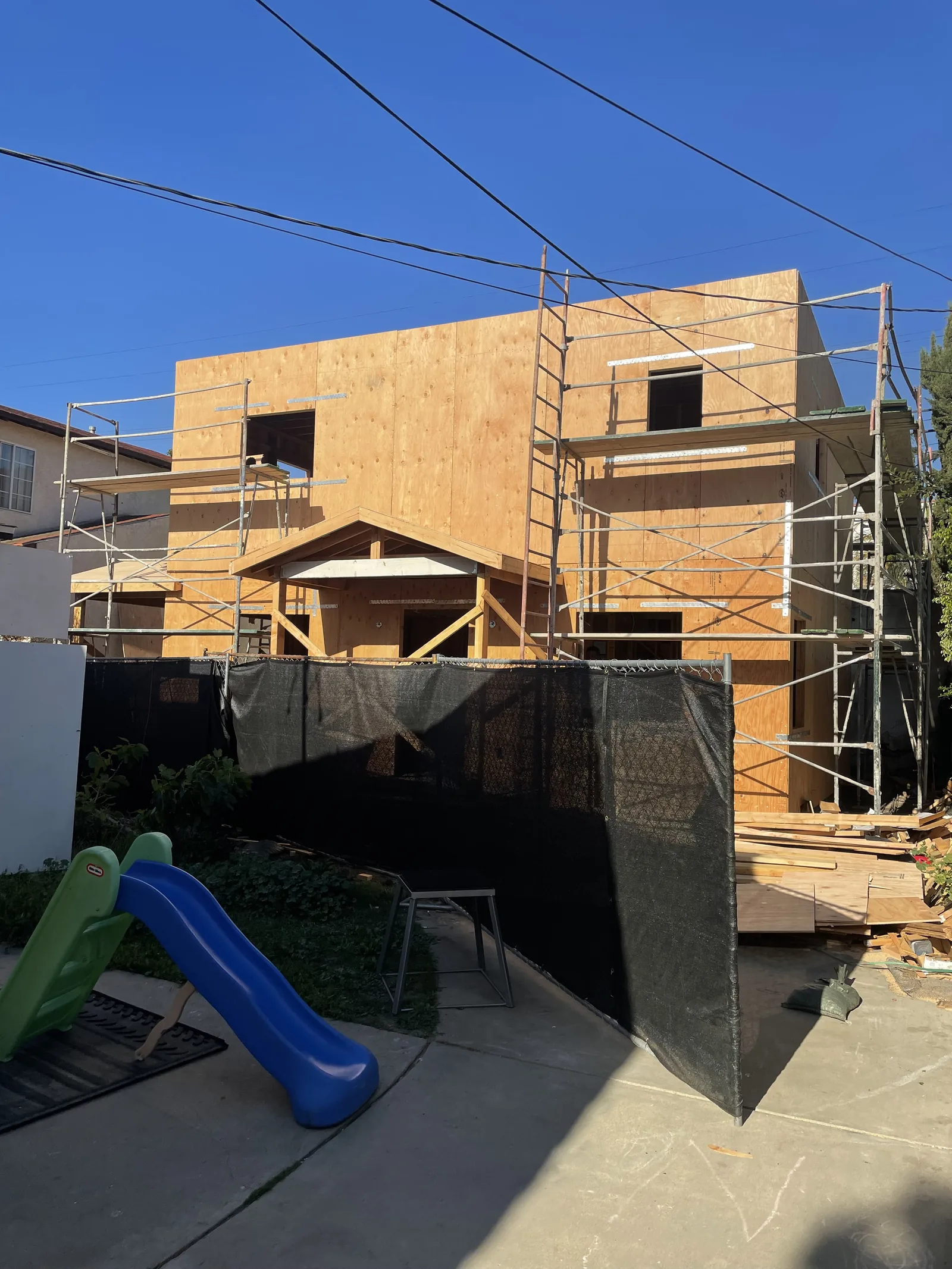 New Construction & Custom Homes
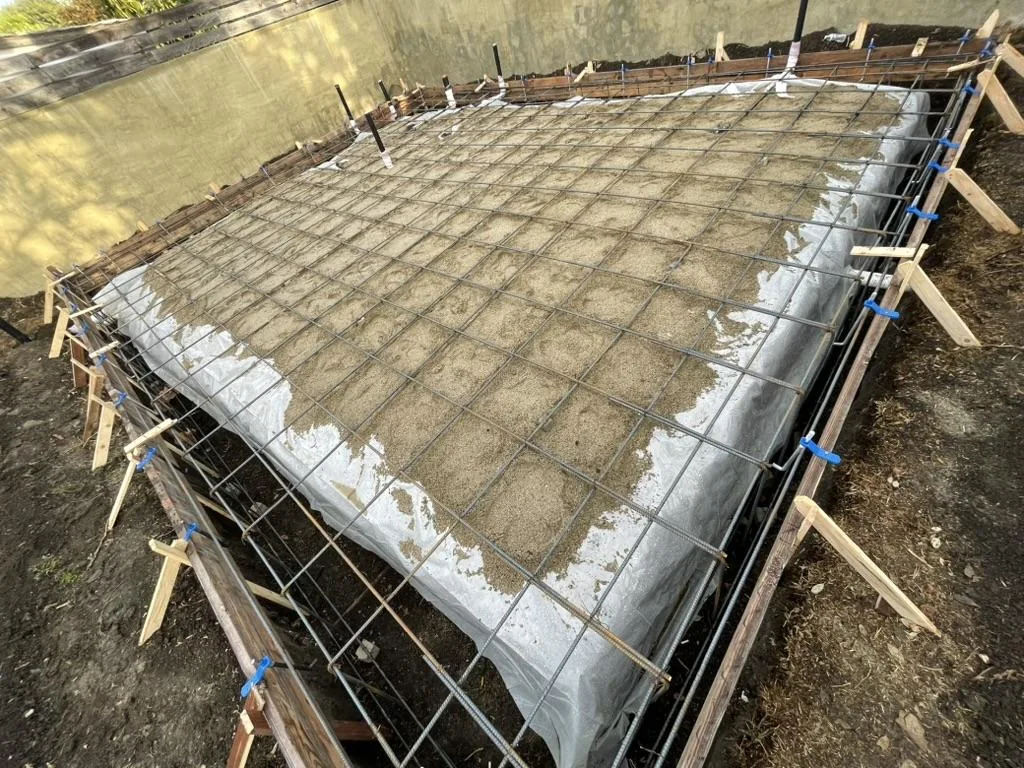 Construction & Structural Repairs
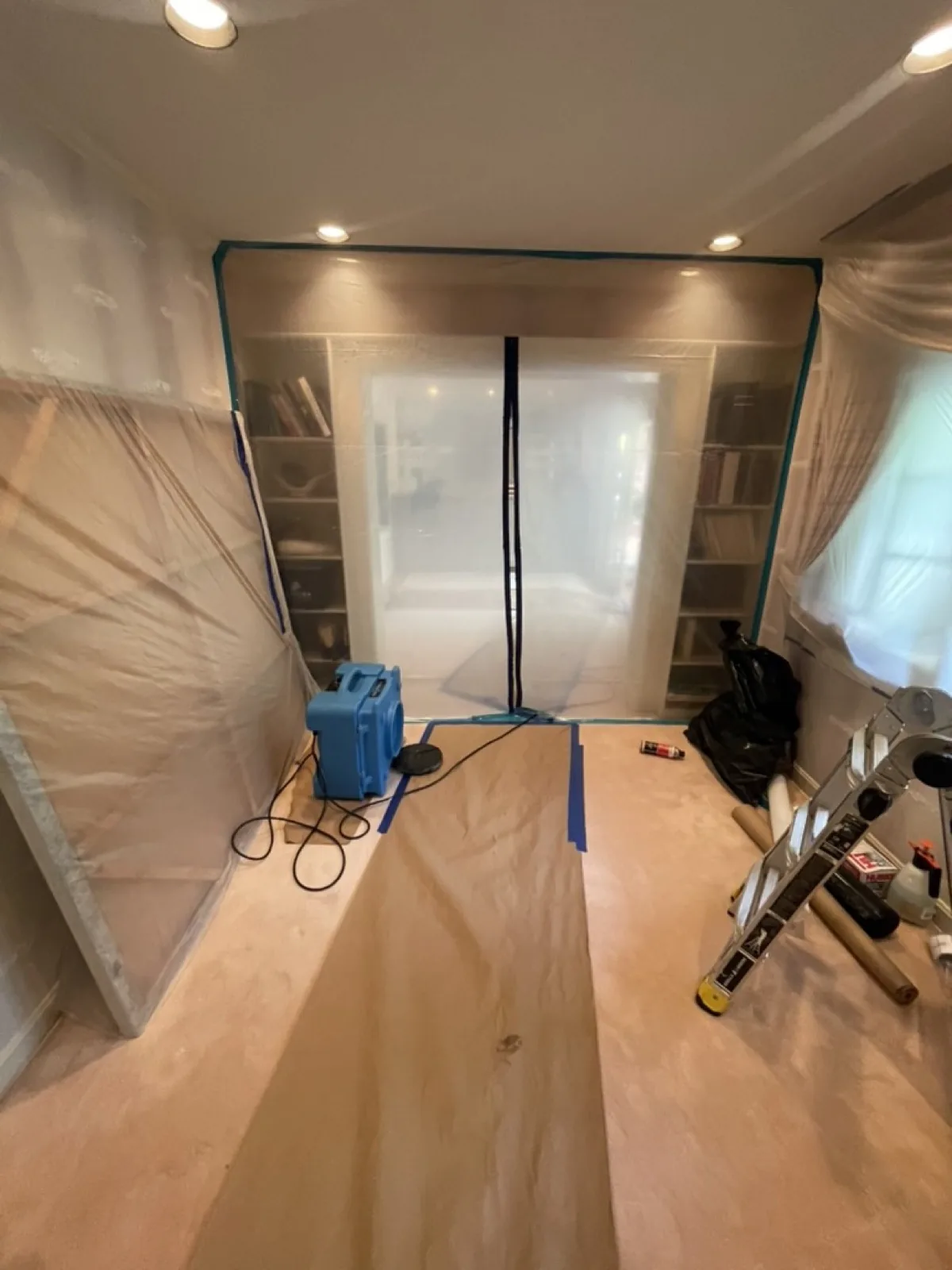 Water Damage Restoration & Reconstruction
Planning a project in Malibu?
Call (310) 717-0432 or request a consultation — we'll walk through City permitting, coastal review, and fire-hazard construction requirements before you commit to a design.
Call (310) 717-0432