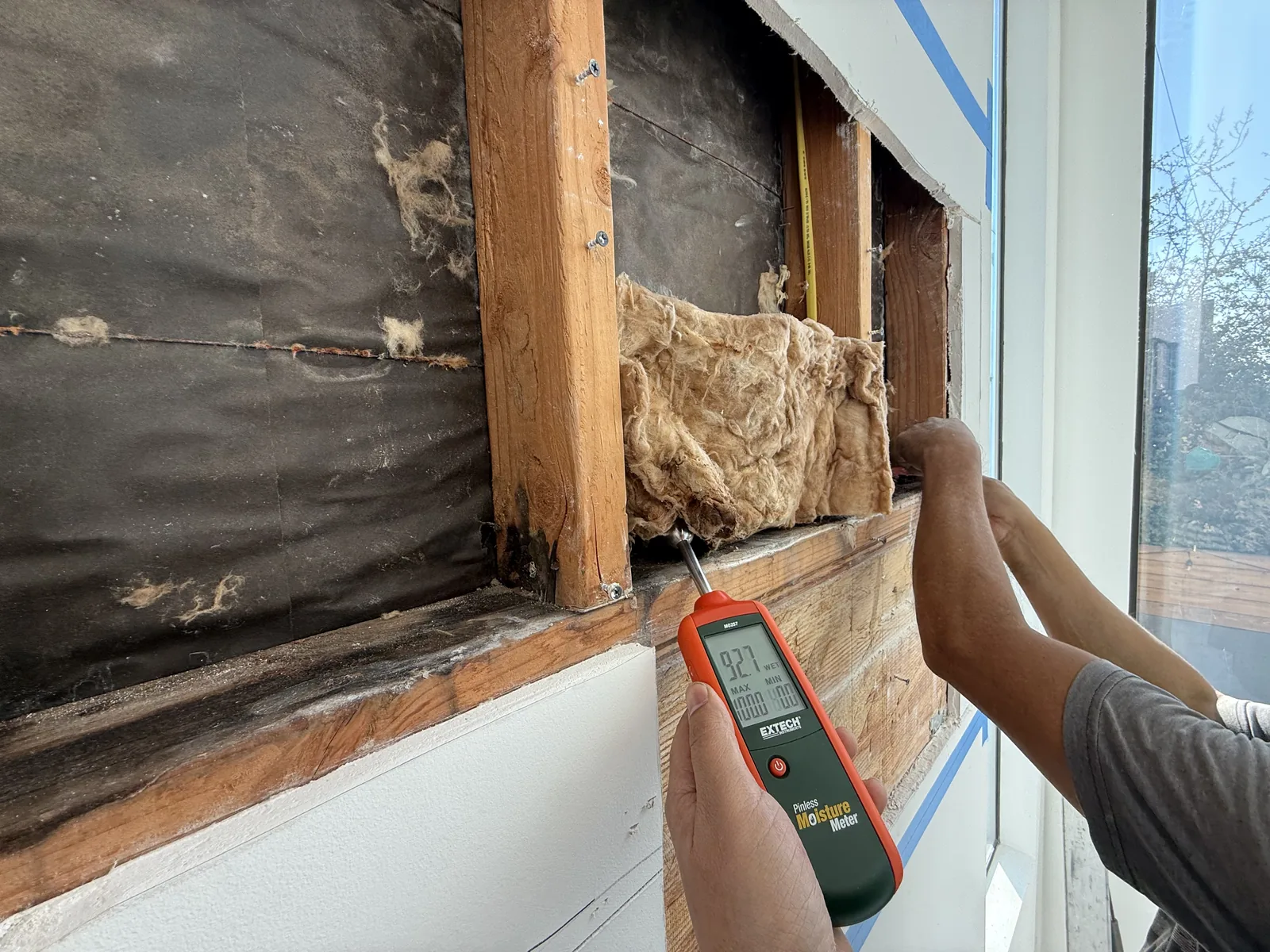
Water Damage Restoration and Reconstruction in Los Angeles
One point of contact from stopping the water to restoring the space.
Tell us where the water is coming from, which areas are affected, and whether the leak is still active. We will confirm the next available response.
Active flooding, electrical hazards, or an unstable ceiling? Keep people away from the affected area. Never enter standing water to reach switches or equipment. If there is immediate danger, leave and contact emergency services or the utility. Call us once you are in a safe place.
A leak can affect much more than the surface you can see. Shulmen Construction LA coordinates the work around the damage: source control, drying, remediation when needed, and reconstruction. We also help organize contents packing and storage, temporary housing coordination, and the construction records your insurance adjuster may request.
You get a clear explanation of what needs attention now, what can be saved, and what comes next.
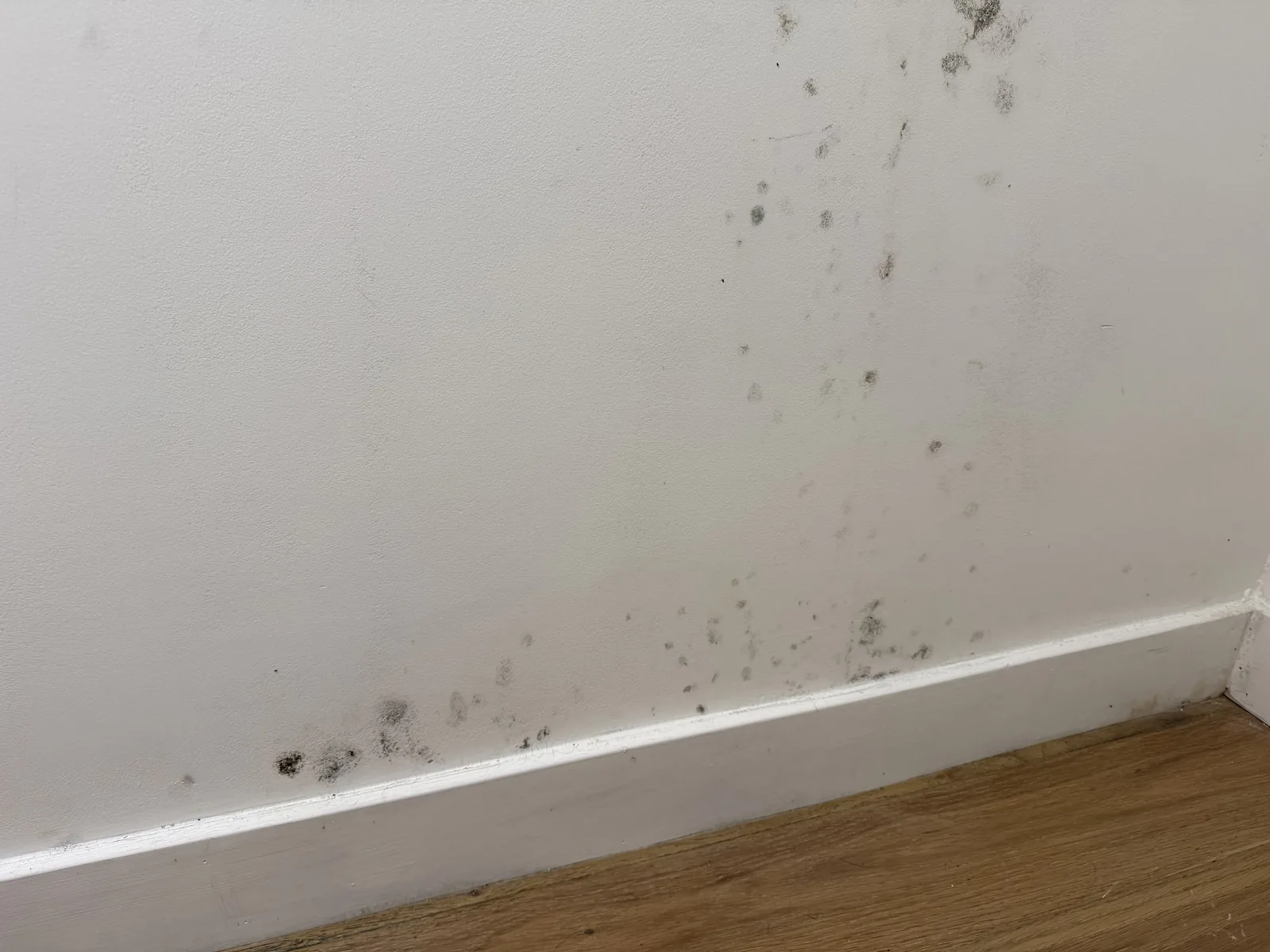
Help with the damage and the disruption
Water damage can mean an unusable kitchen, belongings that need moving, or uncertainty about where your family will stay. We help bring those moving parts into one coordinated plan.
Stop the source and protect the property
Depending on the cause, we coordinate leak repair, emergency source control, or temporary roof protection when needed. Temporary measures limit further damage while the permanent repair is assessed. We explain the immediate scope and authorization before work proceeds.
Assess moisture and dry affected areas
The assessment looks beyond the visible stain to identify affected materials and possible hidden moisture. Water removal, drying equipment, access openings, and monitoring are planned around the condition of the property and the type of water involved.
Address materials that cannot be retained
Some materials can be dried and kept; others require removal. Where contamination or mold is involved, the cleanup approach changes. We coordinate the appropriate remediation and material handling before rebuilding affected areas.
Reconstruct the damaged spaces
Once the affected areas are ready for repair, we coordinate the reconstruction scope, from framing and building-system repairs where needed to drywall, flooring, cabinetry, paint, and finish work. Structural engineering, permits, and inspections are arranged when the work requires them.
Organize belongings and temporary living arrangements
If rooms need to be cleared, we coordinate packing, moving, storage, and the return of belongings as part of the agreed scope. If the home cannot be occupied, we can help coordinate temporary housing arrangements. We help keep the related records organized for your review and, with your authorization, for your insurer.
Keep the construction documentation together
Damage photographs, assessment findings, available moisture records, itemized estimates, and progress updates help explain the work. With your authorization, we communicate about our construction scope with your adjuster and the claim-support professionals involved in the project. Coverage and payment depend on your policy and your insurer's review.
Where the water came from matters
The source affects the repair, the cleanup approach, and the information your insurer will need.
- Plumbing and appliance leaks. A supply line, drain connection, water heater, or appliance can release water into cabinets, walls, and flooring. Repairing the source and addressing the surrounding damage are separate parts of the plan.
- Roof, window, and exterior leaks. Water can enter through roofing, flashing, openings, or deteriorated exterior details and appear somewhere else inside the home. The work needs to address the entry point as well as the interior damage.
- Balcony, deck, and drainage problems. Failed waterproofing, drainage, or connection details can affect the building below. These projects may need a reconstruction approach rather than a surface patch.
- Sewage, backup, and outside floodwater. Contaminated water requires different precautions and material decisions. Avoid contact and have the conditions assessed before using fans or attempting cleanup.
- Slow or hidden moisture. Staining, swollen trim, a musty smell, or lifting flooring can indicate a longer-running problem. The visible area may not show the full extent of the damage.
Not every crack, uneven floor, or structural problem is caused by water. Our Construction & Structural Repairs service addresses structural concerns and construction-related damage assessments, with appropriate assessment and engineering when needed.
What happens from the first call to the final walkthrough
Understand the situation
We ask about the source, the affected rooms, ongoing water entry, and immediate safety concerns. The first priority is a safe plan for access and limiting further damage.
Assess and document
We review accessible affected areas, document conditions, and identify where further investigation may be needed. A stain does not tell the whole story, so the scope can develop as concealed conditions become accessible.
Stabilize and protect
Source control, temporary protection, water removal, and protection or relocation of contents are coordinated as appropriate. If occupancy is affected, we discuss the practical next steps for the household.
Dry and address contamination
Drying is monitored rather than judged only by how a surface looks or feels. Material condition, contamination, access, and moisture findings guide what can remain and what needs removal. Any required remediation is addressed before reconstruction closes the area.
Put the repair scope in writing
We separate emergency work, reconstruction, contents handling, and optional improvements so you can understand the proposed work. With your permission, we provide construction documentation and explain the estimate to your adjuster. Newly discovered conditions and scope changes are documented for your approval.
Coordinate approvals and rebuild
We confirm the applicable permit and inspection requirements for the address and repair scope. Then the work moves through the relevant structural, building-system, and finish stages. Your plan identifies the decisions, access needs, and dependencies that affect scheduling.
Review the completed work
We walk through the agreed repairs with you, address the completion list, and organize the available project records. Required permit inspections are coordinated, and the return of stored belongings is planned when included in the scope.
Insurance documentation without added confusion
Start by reporting the damage to your insurer promptly. Ask what documentation it needs, which emergency measures it authorizes, and which deadlines apply to your claim. Take photographs when safe, keep receipts, and maintain a record of important conversations.
Our part is to make the construction work understandable: what was observed, what work is proposed, and how the estimate is built. We can provide that information and answer questions about our work with your authorization. A construction estimate does not determine insurance coverage or guarantee reimbursement.
Before extensive permanent repairs or disposal of damaged belongings, coordinate with your adjuster. If unsafe materials must be removed sooner, safety comes first; document conditions and keep the available records. Do not delay reasonable, safe emergency protection simply to wait for a complete reconstruction estimate.
Some homeowners policies cover sudden, accidental water damage. Gradual leaks, maintenance issues, outside flooding, and sewer or drain backup may be treated differently. Repairing the failed component, replacing damaged finishes, mold-related work, code upgrades, and optional improvements can also raise different coverage questions. Your insurer should explain how your specific policy applies.
Helpful resource: the California Department of Insurance Residential Property Claims Guide.
Packing, storage, and temporary housing
When belongings must leave the work area, a clear contents plan helps avoid confusion. We can coordinate packing, moving, storage, and return, with the scope and handling arrangements agreed in advance. Keep an inventory and photographs where practical, and identify essential items you may need during the repair.
If a covered loss makes the home unlivable, a policy's loss-of-use or additional-living-expense coverage may help with eligible added costs. Housing, relocation, and storage are questions to confirm with your adjuster before making non-emergency commitments. Ask about limits, approved arrangements, receipts, and how long benefits can continue. Temporary housing coordination does not mean accommodation or contents costs are automatically covered.
Rebuilding for the property and its jurisdiction
Restoration can be a localized repair or a substantial reconstruction project. We review the scope before assuming that every wet surface needs replacement or that a cosmetic patch will solve the problem.
The permitting authority depends on the address. Los Angeles neighborhoods generally work through the City of Los Angeles Department of Building and Safety. Beverly Hills, West Hollywood, Santa Monica, and Malibu have their own processes. Building and trade permits, engineering, and planning review depend on the work and the site. Coastal, hillside, and historic conditions may add requirements.
Some repairs can use streamlined permit pathways; others require plans and more detailed review. Emergency work does not create a blanket permit exemption. We coordinate the applicable steps and explain how they affect the repair schedule. Related service: Design, Engineering & Permitting.
Decisions that stay yours
- Repair or replace. When a single pipe or a section of roofing fails, there can be a real choice between repairing that section and replacing more of the system. Where the rest of the system is the same age and material, a broader replacement can be worth considering; a targeted repair costs less now. We explain what we found so you can decide.
- Matching what was there. Rebuilding part of an older home means deciding whether to match the original, such as plaster walls, trim profiles, or a stucco texture, or to use modern equivalents. Matching usually costs more and takes longer to source; modern materials are faster but change the finished look, which matters most on a visible wall or an architecturally distinct home.
- Improvements you choose. If you decide to go beyond restoring what was damaged, such as a new layout or upgraded finishes, those choices are identified and priced separately from the damage repair. Do not assume insurance will pay for them.
What affects cost and timing
The size of the wet area is only one part of the estimate. The source and cleanliness of the water, affected materials, hidden damage, access, drying progress, contents handling, and the amount of reconstruction all matter. A leak found early generally means less material has to be removed than one that ran unnoticed for weeks or months. Engineering, permit review, material availability, and finish selections can affect the schedule as well.
We explain the scope for emergency work and the scope for rebuilding separately. If you choose improvements beyond the damage repair, those choices are identified separately too. A written estimate and documented changes give you a clearer basis for decisions than a single price per square foot.
Drying and reconstruction run on different timelines. We update the plan as site conditions, approvals, and selections become clear rather than promising a universal completion date.
A Hollywood reconstruction project
An existing Shulmen project shows how water intrusion can reach beyond the first visible sign. The Hollywood balcony restoration involved identifying multiple entry points, coordinating structural engineering, rebuilding the balcony, correcting drainage and waterproofing details, and repairing affected interior areas.
See the documented project photographs and the full scope in Hollywood Structural Water Damage Restoration. Its sequence illustrates one property's repair; the approach and schedule for another home depend on its conditions.
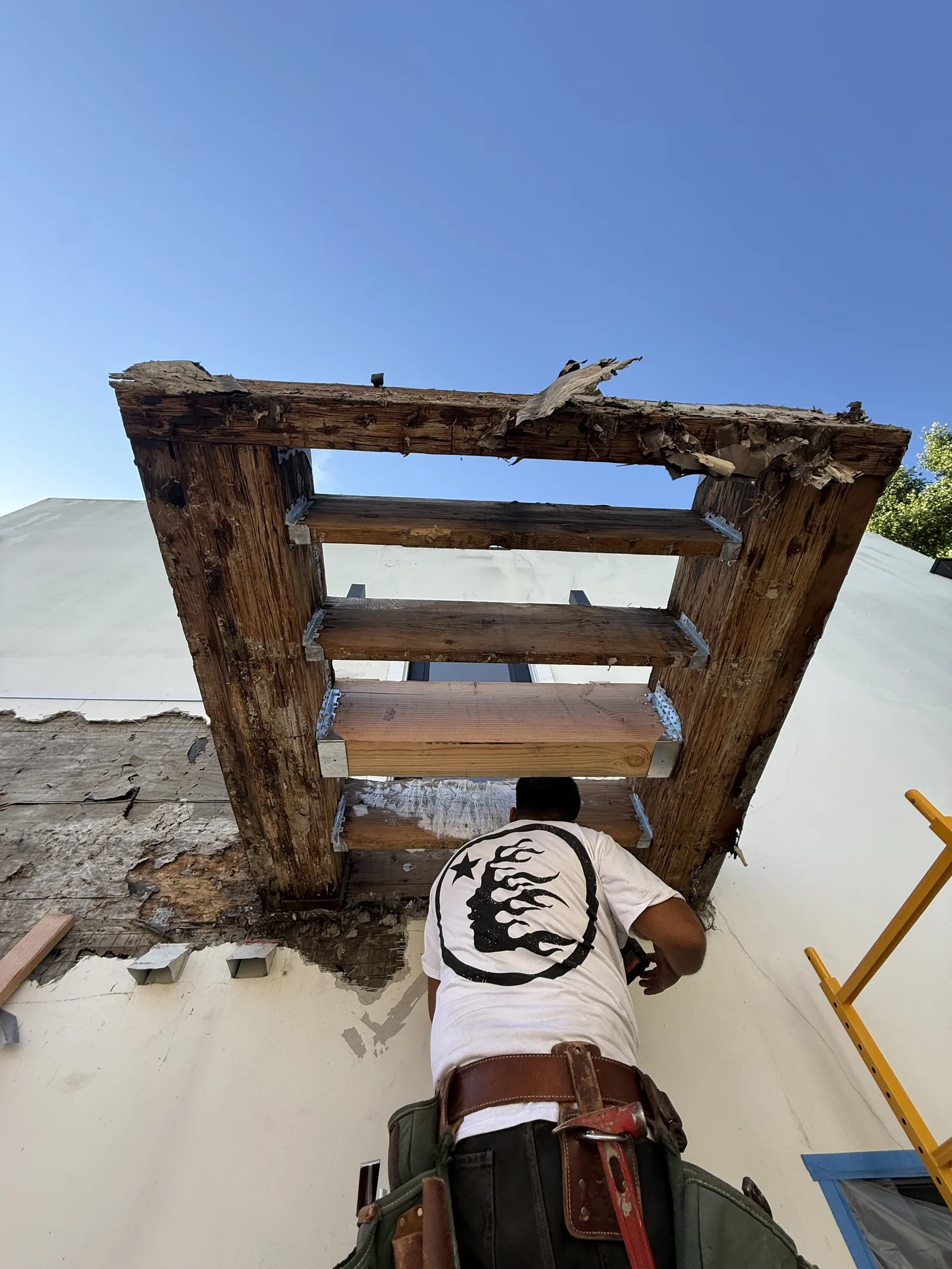
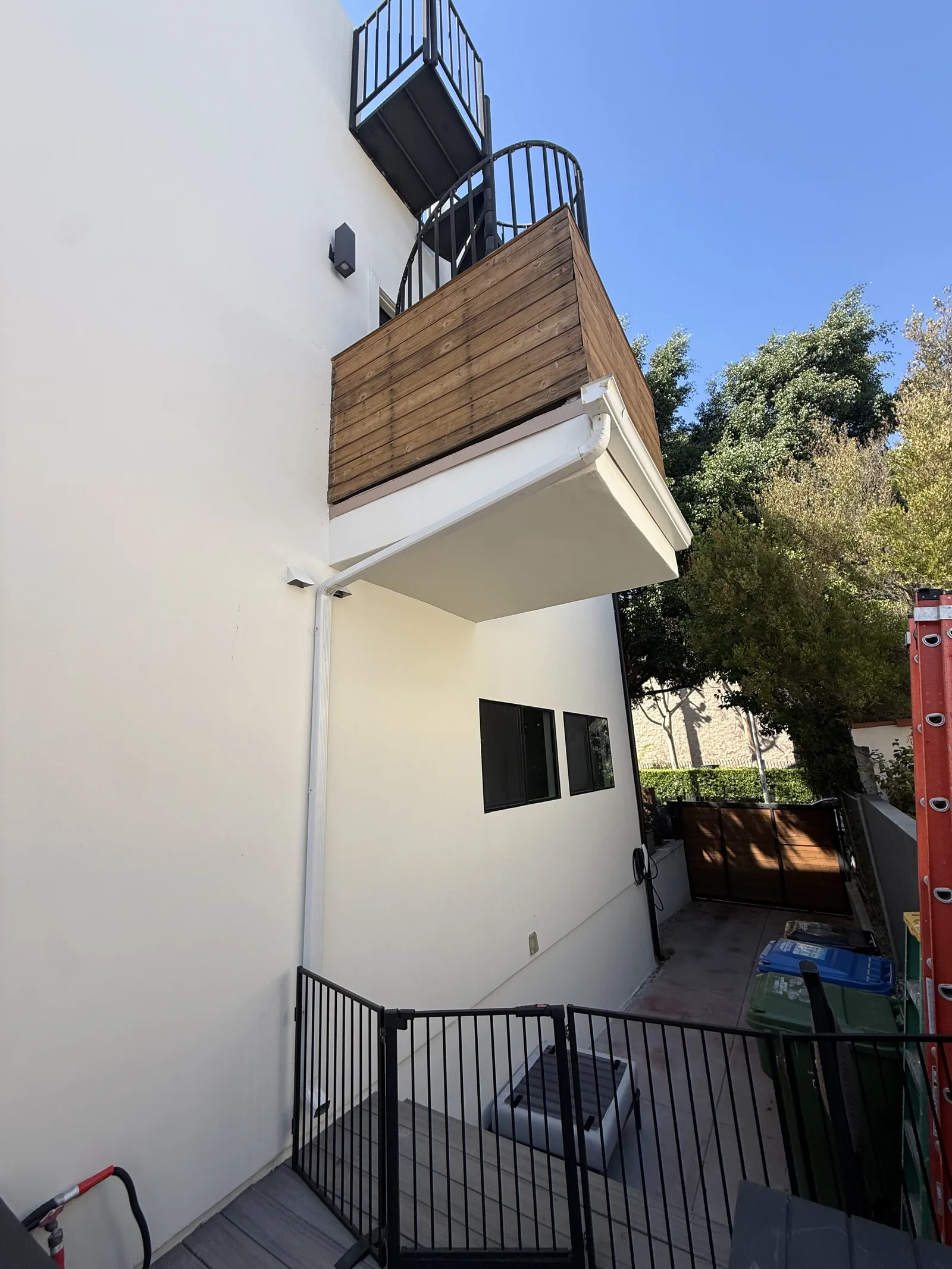
Watch real reconstruction work.
Watch: waterproofing work performed as part of a Los Angeles structural reconstruction project.
Watch: structural framing reinforcement and waterproofing on a balcony reconstruction project.
See more real project videos on the Shulmen Construction LA YouTube channel →
Another water damage project.
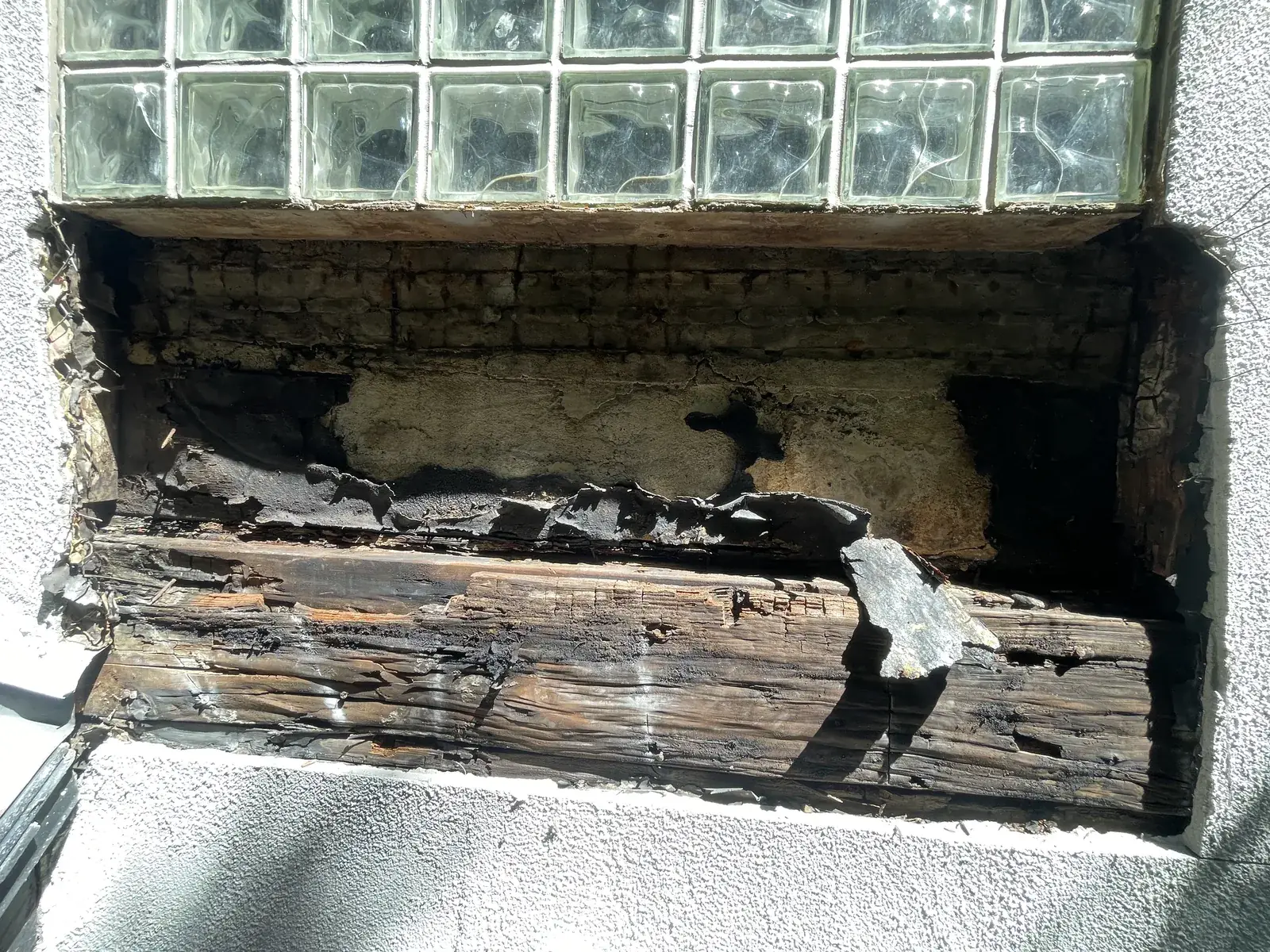
Reducing the chance of another leak
The repair should address why water entered, not only how the room looks afterward. Depending on the property, next steps may include attention to plumbing connections, flashing, roof details, drainage, waterproofing, or maintenance access. We explain relevant findings so you can make informed decisions about the repair and any additional work.
Serving Los Angeles and nearby communities
We work with property owners in these areas. Tell us the property address and the type of damage so we can confirm the service scope and next steps.
Water damage questions
Should I wait for my insurance adjuster before getting help?
Do not put yourself at risk or allow avoidable damage to continue while waiting. Contact your insurer promptly, document conditions when safe, and arrange reasonable emergency protection. Coordinate extensive permanent repairs and disposal of damaged belongings with your adjuster, while addressing immediate safety hazards appropriately.
Can you stop the leak as well as restore the damage?
We coordinate source control and the resulting restoration. Depending on the cause, that can include leak repair, temporary roof protection, or another immediate measure followed by a permanent repair plan. The appropriate work is confirmed after assessment.
Does homeowners insurance cover a burst pipe or a slow leak?
Some policies cover sudden, accidental water damage, such as resulting damage from a burst pipe. Gradual leakage and maintenance problems are often treated differently. The repair to the failed pipe or appliance can be a separate coverage question. Ask your insurer to review the cause and policy terms.
Is flood or sewer backup covered the same way?
No. Outside floodwater, sewer backup, and a plumbing supply-line leak can fall under different provisions or policies. Standard homeowners coverage generally excludes flood, and backup protection may require an endorsement. Review the actual policy rather than assuming every water event has the same coverage.
Will insurance pay for packing, storage, or a temporary place to stay?
It may pay eligible costs when the applicable coverage and loss circumstances support them. Ask the adjuster to confirm which services, limits, receipts, and arrangements apply. We can coordinate the practical work, but cannot promise approval. NFIP flood coverage does not include additional living expenses such as temporary housing.
Can you communicate with my adjuster?
Yes. With your authorization, we can share photographs, assessment information, available moisture records, our scope, and itemized estimates. We answer questions about the construction work. Insurance coverage and settlement decisions remain part of the claim process between you and your insurer or your authorized insurance representative.
How long do I have to report the damage or submit claim paperwork?
Report the damage promptly and ask your insurer for the deadlines that apply to your policy and loss. Notice, proof-of-loss forms, replacement-cost requirements, and legal deadlines are different. An insurer's response timetable does not replace your own deadlines, and special disaster protections do not apply to every household leak.
How quickly should wet materials be dried?
Act promptly once it is safe. EPA recommends drying water-damaged materials within 24 to 48 hours to help prevent mold. This is a prevention target, not a guaranteed drying time or a guarantee that mold cannot occur sooner. Conditions and measured moisture guide the work.
Should I turn on fans or the air conditioning?
Have electrical safety and contamination assessed first. Do not use fans until the water is determined to be clean or sanitary. Do not run an HVAC system that is known or suspected to be mold-contaminated. The wrong airflow can spread contamination.
Does all wet drywall or flooring have to be replaced?
Not always. Material condition, the water source, contamination, and access for drying determine what may be retained. Some clean-water-affected materials can be dried in place. Sewage- or floodwater-contaminated drywall and insulation require removal and appropriate disposal.
What if there is mold or the home has older building materials?
The scope needs to account for the affected materials and conditions before demolition or reconstruction proceeds. Mold may require a different cleanup approach. Older finishes can also raise lead or asbestos concerns, so any applicable assessment, handling, and qualified-professional requirements must be addressed.
Do water damage repairs need permits?
Requirements depend on the address and the work. Structural, roofing, electrical, plumbing, mechanical, and other building repairs may require permits and inspections. Some work qualifies for streamlined permits; other work needs plan review. The relevant city determines the requirements for the project.
Can we stay in the house during the work?
Sometimes, but it depends on safety, contamination, utilities, access to essential rooms, and the repair scope. We discuss occupied-area protection and access restrictions. If the property cannot be occupied, we can help coordinate temporary arrangements while you confirm any insurance benefits.
What happens if more damage is found after walls are opened?
Concealed damage can change the repair scope. We document the findings, explain the proposed changes, and obtain the appropriate written approval. With your authorization, updated construction information can also be provided to the adjuster. Additional work is not automatically an approved insurance expense.
What should I have ready for the first call?
The property address, the apparent source, when the problem was discovered, which rooms are affected, and whether water is still entering. Share photographs only if they can be taken safely. If you have a claim open, the claim number and adjuster's contact details may help coordinate the construction documentation later.
Let's put the next steps in order
Tell us what happened and which parts of the property are affected. We will help you understand the immediate priorities and the path from assessment to repair.
Shulmen Construction LA | CSLB #1077837