
Expert Heritage Home Restoration: Bringing History Back to Life
- Nov 30, 2025
- 3 min read
Restoring a heritage home is a rewarding journey that combines passion, patience, and precision. These homes carry stories from the past, showcasing architectural styles and craftsmanship that modern buildings often lack. However, heritage home restoration requires careful planning and expert knowledge to preserve the original charm while upgrading the property for contemporary living. This guide explores essential steps and expert tips to help you navigate the process successfully.
Understanding Heritage Home Restoration
Heritage home restoration is more than just fixing old walls or repainting faded surfaces. It involves preserving the historical integrity of the building while making it functional and safe for today’s standards. This process often includes repairing original materials, restoring architectural details, and sometimes reversing previous renovations that were not in keeping with the home's character.
Key Considerations in Heritage Home Restoration
Research the history: Understanding the home's original design and historical context is crucial. This can involve studying old photographs, architectural plans, or consulting local heritage organizations.
Assess the condition: A thorough inspection by professionals can identify structural issues, material degradation, and areas needing urgent attention.
Plan for compliance: Many heritage homes are protected by local laws. Restoration plans must comply with regulations to maintain the building’s status and avoid penalties.
Choose appropriate materials: Using materials that match or closely resemble the original ones helps maintain authenticity.
Hire skilled craftsmen: Restoration often requires specialized skills, such as masonry, carpentry, and plasterwork, to replicate original techniques.
Essential Steps in Heritage Home Restoration
Restoring a heritage home involves a series of well-planned steps. Each phase requires attention to detail and a commitment to preserving the home's unique features.
1. Initial Assessment and Documentation
Start by documenting the current state of the home. Take photographs, note damages, and list original features. This documentation will guide the restoration process and serve as a reference for future work.
2. Structural Repairs
Address any foundational or structural issues first. This may include repairing the foundation, reinforcing beams, or fixing roof damage. Structural integrity is vital for the safety and longevity of the home.
3. Exterior Restoration
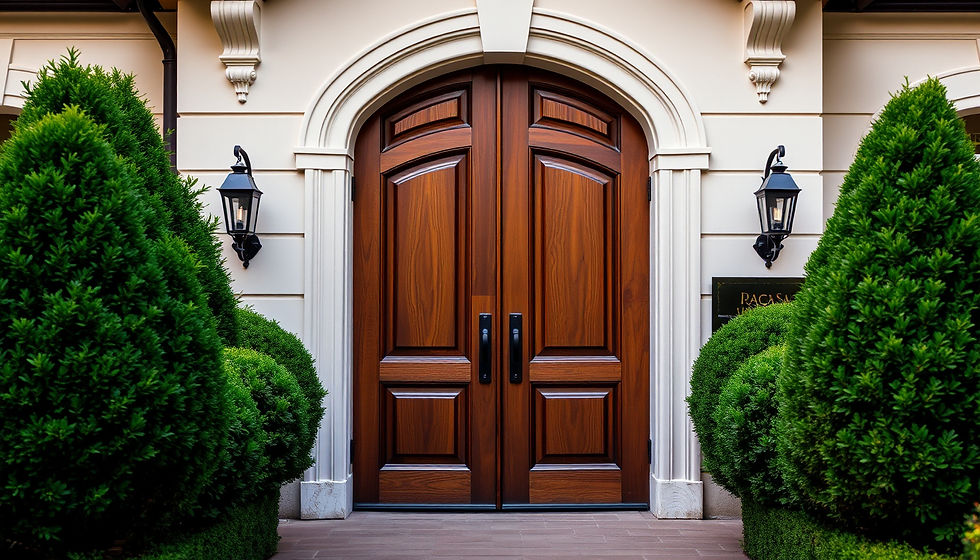
Focus on restoring the facade, windows, doors, and roofing. Clean and repair brickwork or stonework, replace damaged shingles with matching materials, and restore original window frames.
4. Interior Restoration
Preserve original moldings, flooring, and fixtures. Where replacements are necessary, use materials and designs that reflect the period style. Restore plaster walls and ceilings carefully to avoid damaging original textures.
5. Modern Upgrades
Integrate modern amenities such as updated electrical wiring, plumbing, and HVAC systems discreetly. These upgrades should not detract from the home's historic character.

Tips for Successful Heritage Home Restoration
Restoring a heritage home can be complex, but following these expert tips can make the process smoother and more effective.
Work with heritage consultants: Professionals can provide valuable advice on preservation techniques and regulatory requirements.
Prioritize original features: Whenever possible, repair rather than replace original elements to maintain authenticity.
Use reversible methods: Employ restoration techniques that can be undone without damaging the original structure, allowing future restorers to make changes if needed.
Maintain a restoration journal: Keep detailed records of all work done, including materials used and methods applied. This documentation is useful for future maintenance and resale.
Budget for surprises: Older homes often reveal hidden issues during restoration. Set aside extra funds to handle unexpected repairs.
Exploring Historic Home Renovations
When undertaking a heritage home restoration, it’s helpful to explore examples of successful projects. Many restoration experts showcase their work online, providing inspiration and practical insights. For instance, the portfolio of historic home renovations demonstrates how skilled professionals balance preservation with modern needs. These projects highlight the importance of craftsmanship, attention to detail, and respect for the home’s history.
Preserving the Past for the Future
Heritage home restoration is a labor of love that preserves cultural heritage and architectural beauty. By carefully restoring these homes, owners contribute to the community’s historical fabric and create living spaces that honor the past while embracing the present. Whether you are restoring a Victorian mansion, a colonial cottage, or an early 20th-century bungalow, the principles of respect, research, and skilled craftsmanship remain the foundation of every successful project.
Taking on a heritage home restoration project requires dedication, but the rewards are immense. You not only save a piece of history but also create a unique home filled with character and stories that will last for generations.


Comments